Everything You Need to Know About Damage Control
From the pages of Marvel Comics to on-screen MCU appearances, learn all about Damage Control’s role and history.
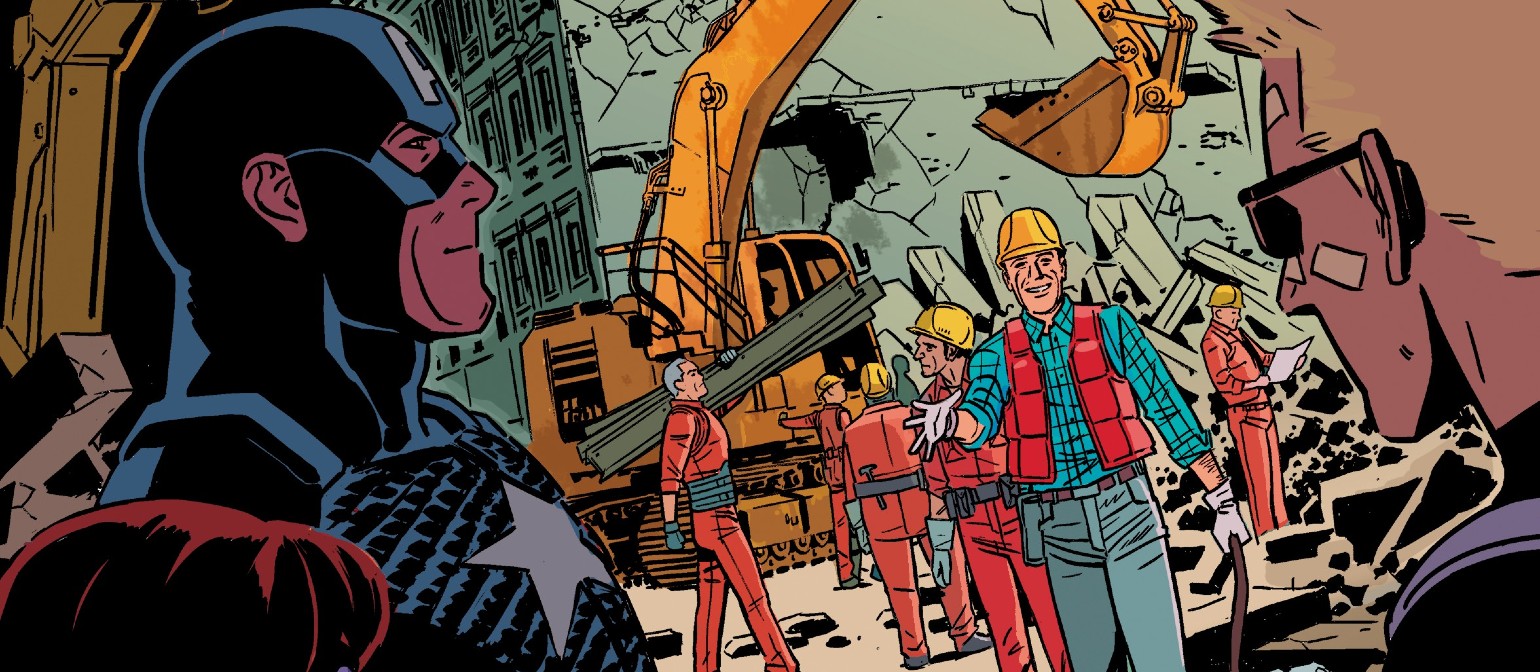
Cleaning up after heroes and villains is often thankless work, but that’s where Damage Control steps in. With numerous heroes and villains regularly duking it out around the world, it goes without saying that the Marvel Universe can be a messy place. Fortunately, Damage Control takes care of all the debris left by those super-powered showdowns. The organization primarily handles the aftermath of these high-profile incidents, not only in Marvel Comics, but also increasingly in the Marvel Cinematic Universe.
While known as Damage Control in the comics, the organization exists as the Department of Damage Control in the MCU, reflective of its governmental function on-screen. Here’s everything you need to know about the organization, from Damage Control's background in the comics to the DODC's bourgeoning role in the MCU.
Damage Control's Origin in the Comics
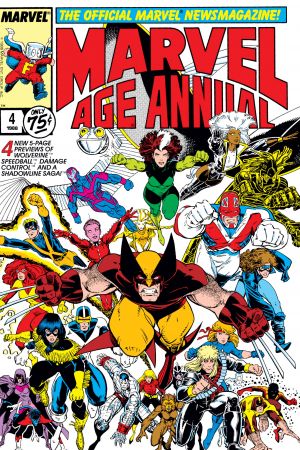
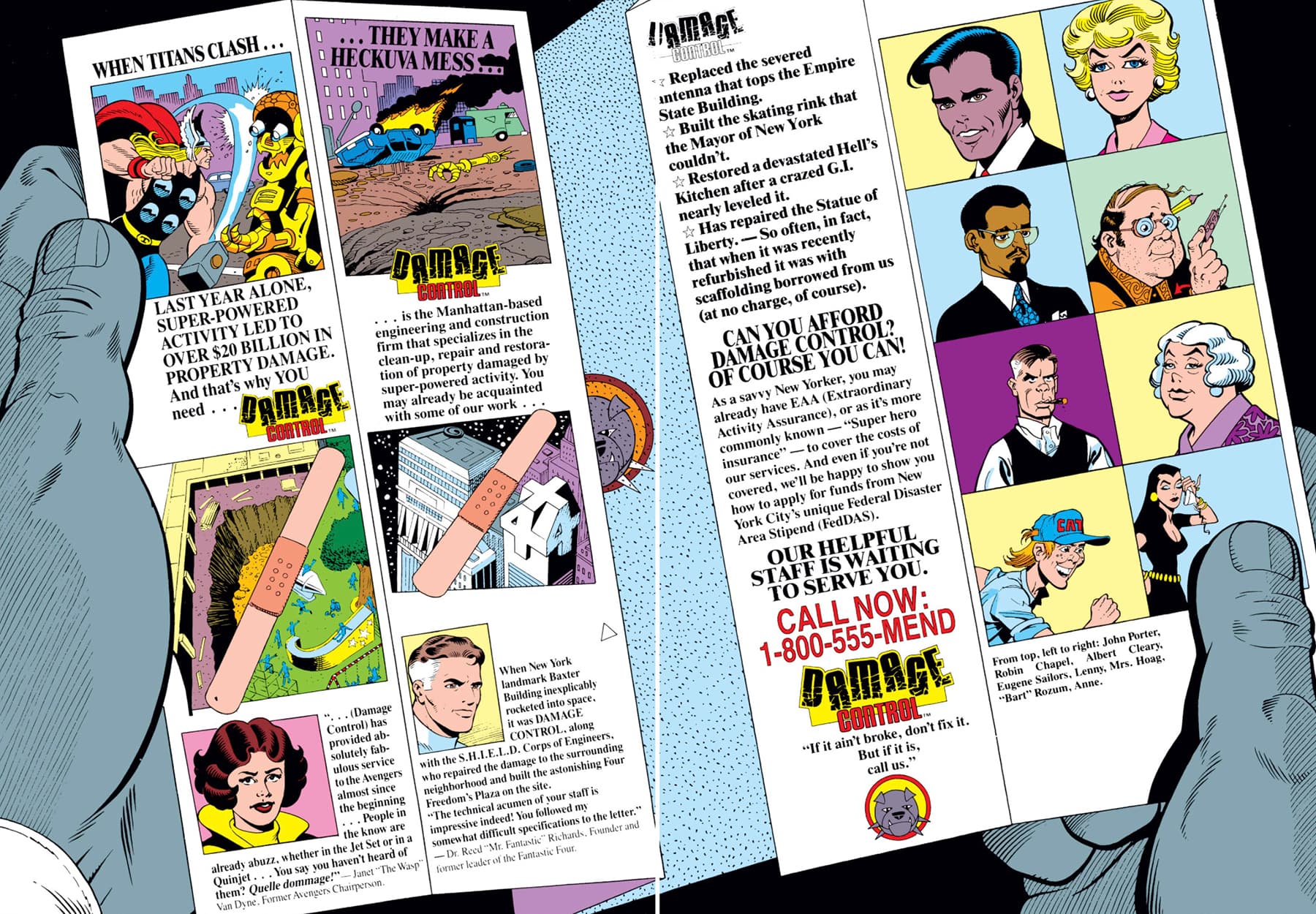
Damage Control made its debut in the pages of MARVEL AGE ANNUAL (1985) #4, in a short story by Dwayne McDuffie, Ernie Colón, and Jon D’Agostino. While the Hulk lived it up in Las Vegas, a marketing executive for Damage Control approached and pitched him to appear in an ad campaign promoting the company. Unimpressed, the Hulk roughed up the exec and asked security to escort him out of his casino, rejecting the offer.
Damage Control made their mission statement clear in the sample brochure briefly reviewed by the Hulk, listing key personnel behind the company. The brochure noted that superhuman activity caused over $20 billion in property damage in a single year. Damage Control may just have their work cut out for them.
Damage Control Takes Center Stage
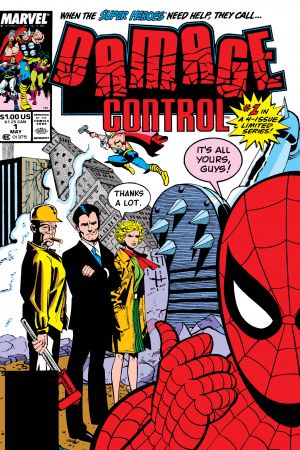
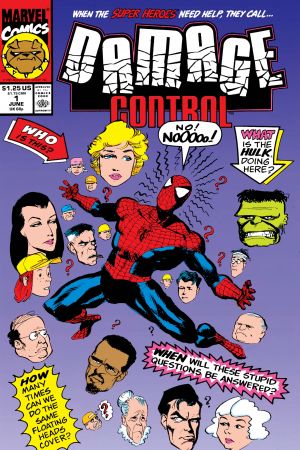
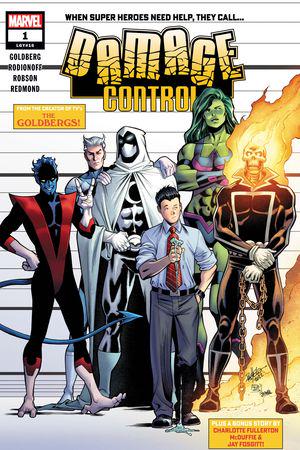
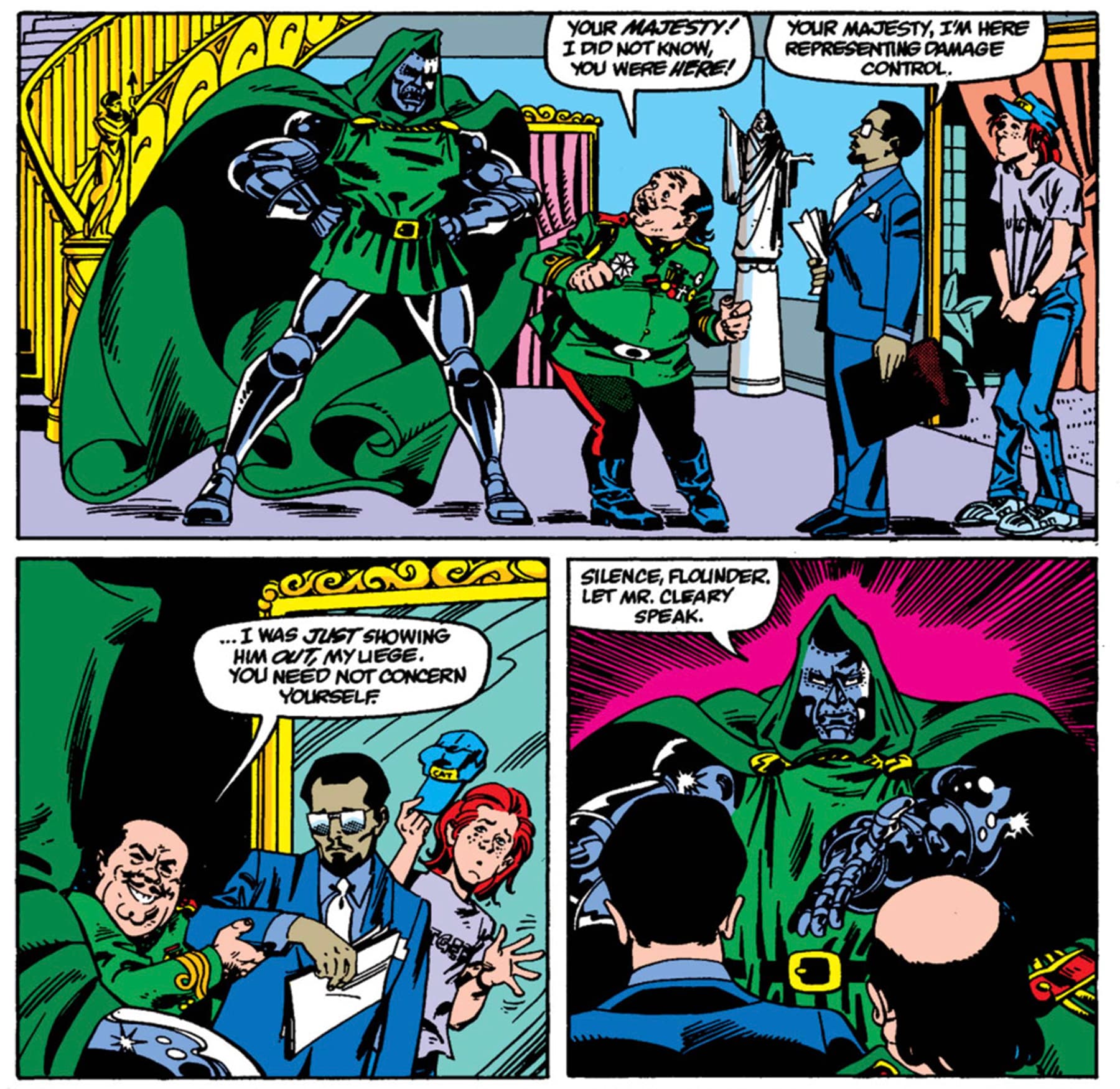
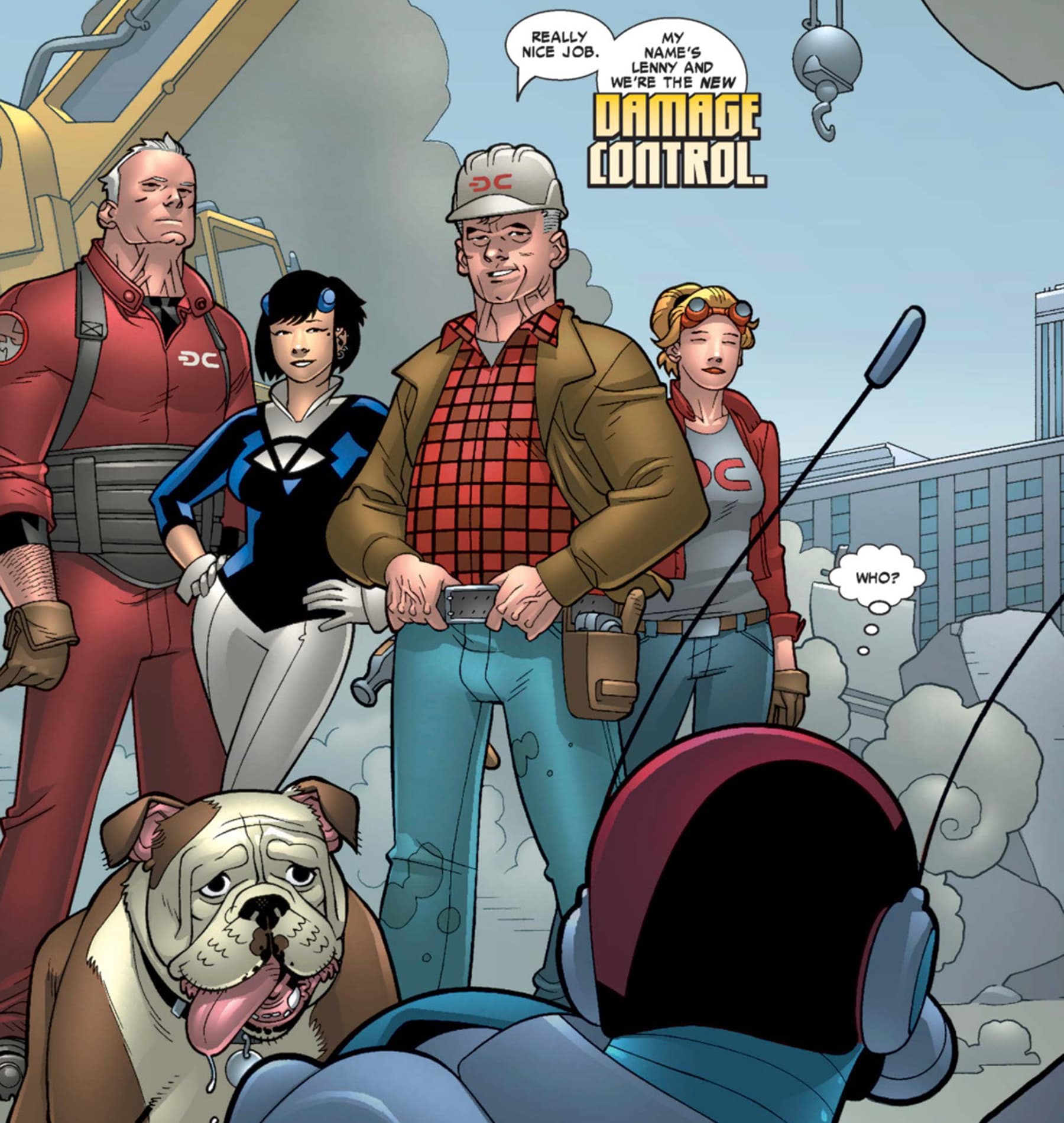
The organization received their own comic book series with DAMAGE CONTROL (1989) #1 by Dwayne McDuffie, Ernie Colón, and Bob Wiacek. Founded and owned by Anne Marie Hoag, Damage Control employed an assortment of financial geniuses, able to calculate property damage and insurance costs on the fly. Robin Chapel joined the organization as a corporate manager, John Porter as an account executive, while Albert Cleary worked in the field as comptroller. Though most of the staff lacked super-powers, they managed to deliver on expectations, even going so far as confronting Doctor Doom over unpaid expenses.
In DAMAGE CONTROL (1989) #1, Hoag sold the ownership of her company to Tony Stark and Wilson Fisk, with each of the investors owning a 50% stake. Immediately uneasy doing business with Fisk in any capacity, Stark sold his shares. Meanwhile, Fisk divested his stake due to his distrust of Chapel handling the company’s operation. With backing from S.H.I.E.L.D., Hoag regained ownership of her company, taking on contracts directly from the super-spy organization as an extension of this association.
Damage Control During Civil War
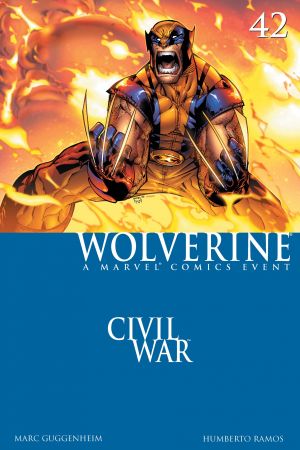
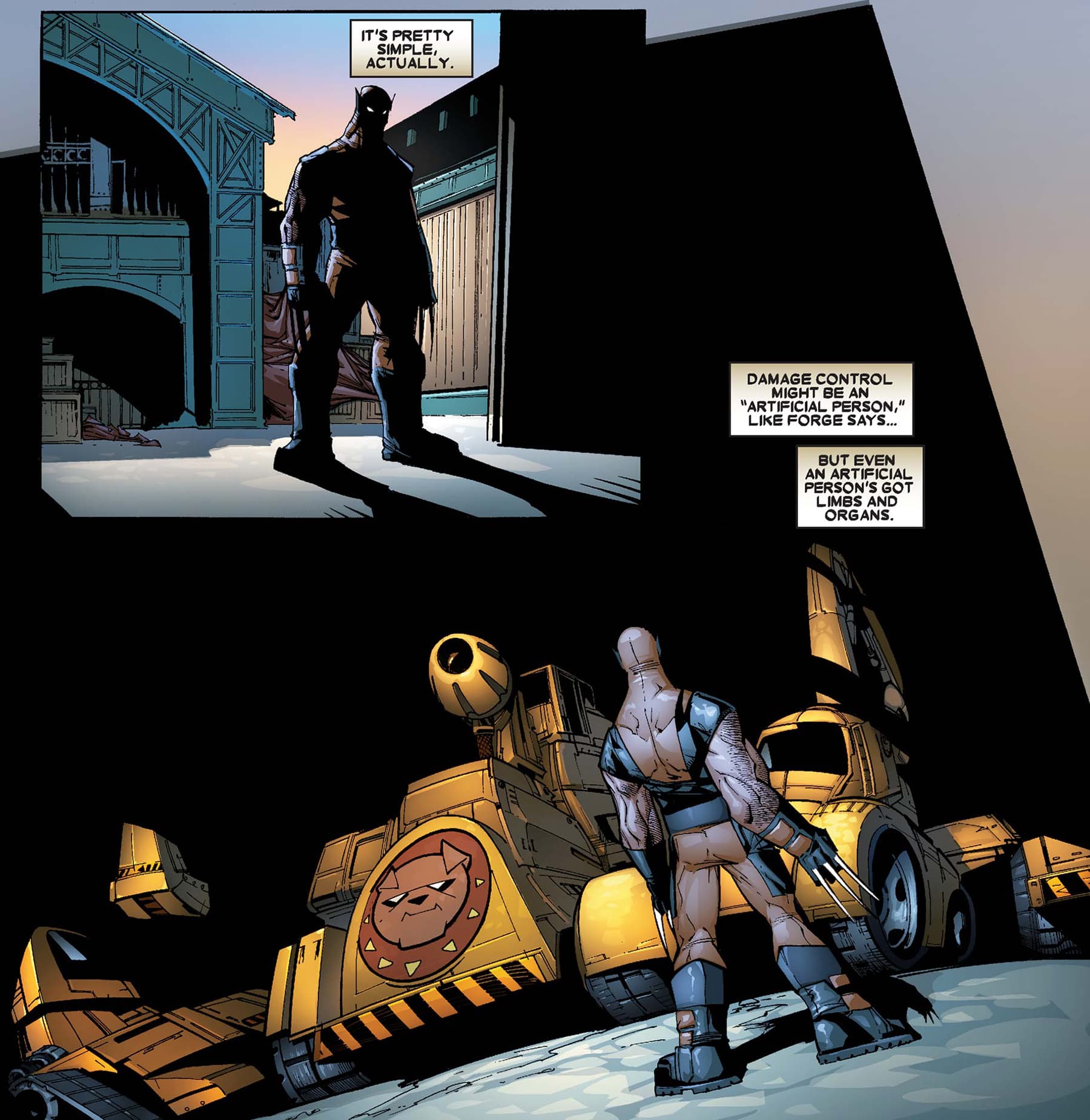
Damage Control waded into controversy in 2006’s CIVIL WAR due to its shady dealings tied to the Stamford incident. The super villain Nitro explosively devastated Stamford, Connecticut, in a battle with the New Warriors, paving the way for the Superhuman Registration Act. After Wolverine cornered Nitro, he learned that Damage Control had supplied the villain with mutant growth hormones to augment his combustive abilities. Logan soon uncovered a much broader scheme. After private investor Walter Declun took control of the company, Damage Control started secretly providing villains with gear to wreak chaos. Under this new business model, Damage Control would reap the benefits in the subsequent clean-up contracts.
Consequently, Wolverine led a rampage against Damage Control, heading a one-man sabotage campaign against the company. He destroyed expensive equipment and derailed other high-profile projects. The X-Man’s actions nearly bankrupted the company, leading Declun to be ousted and Hoag reinstated as its principal owner. While Declun eventually resurfaced as the villain heading another company, Damage Control started mending its reputation.
DAMAGE CONTROL RESTORES TRUST
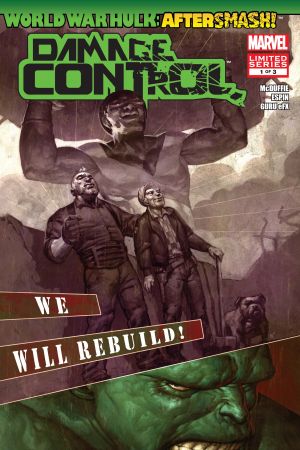
Following Declun's removal, Damage Control launched a new branch specializing in search and rescue in THE IRREDEEMABLE ANT-MAN (2006) #7 by Robert Kirkman and Cory Walker. The company grew enormously during this time, driven by a tighter partnership with S.H.I.E.L.D. that included helping train registered heroes. Damage Control also played a key role rebuilding Manhattan after the devastation caused by WORLD WAR HULK (2007), while recovering errant alien technology from the scene.
With its reputation largely restored, Damage Control became a mainstay institution in the Marvel Universe, present in the aftermath of epic brawls between heroes and villains. Many of the company’s veteran employees, including Hoag and Porter, remained fixtures at job sites, drawing from their years of experience. Over time, the hero community grew to trust Damage Control more, with heroes like Hercules and Tom Foster even directly working for the company at times.
THE DEPARTMENT OF DAMAGE CONTROL IN THE MCU
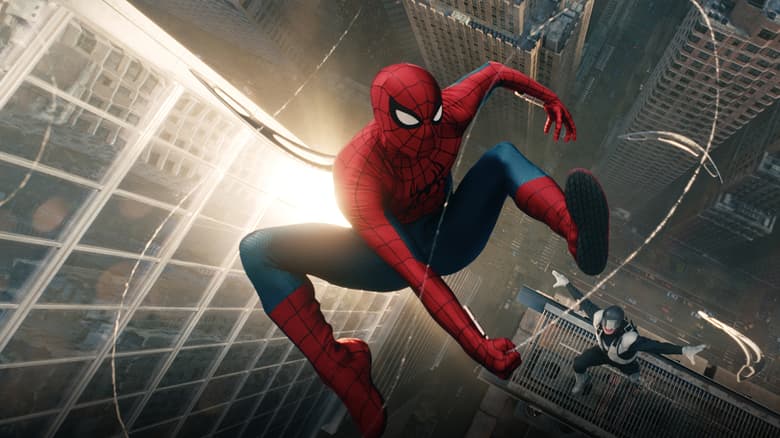
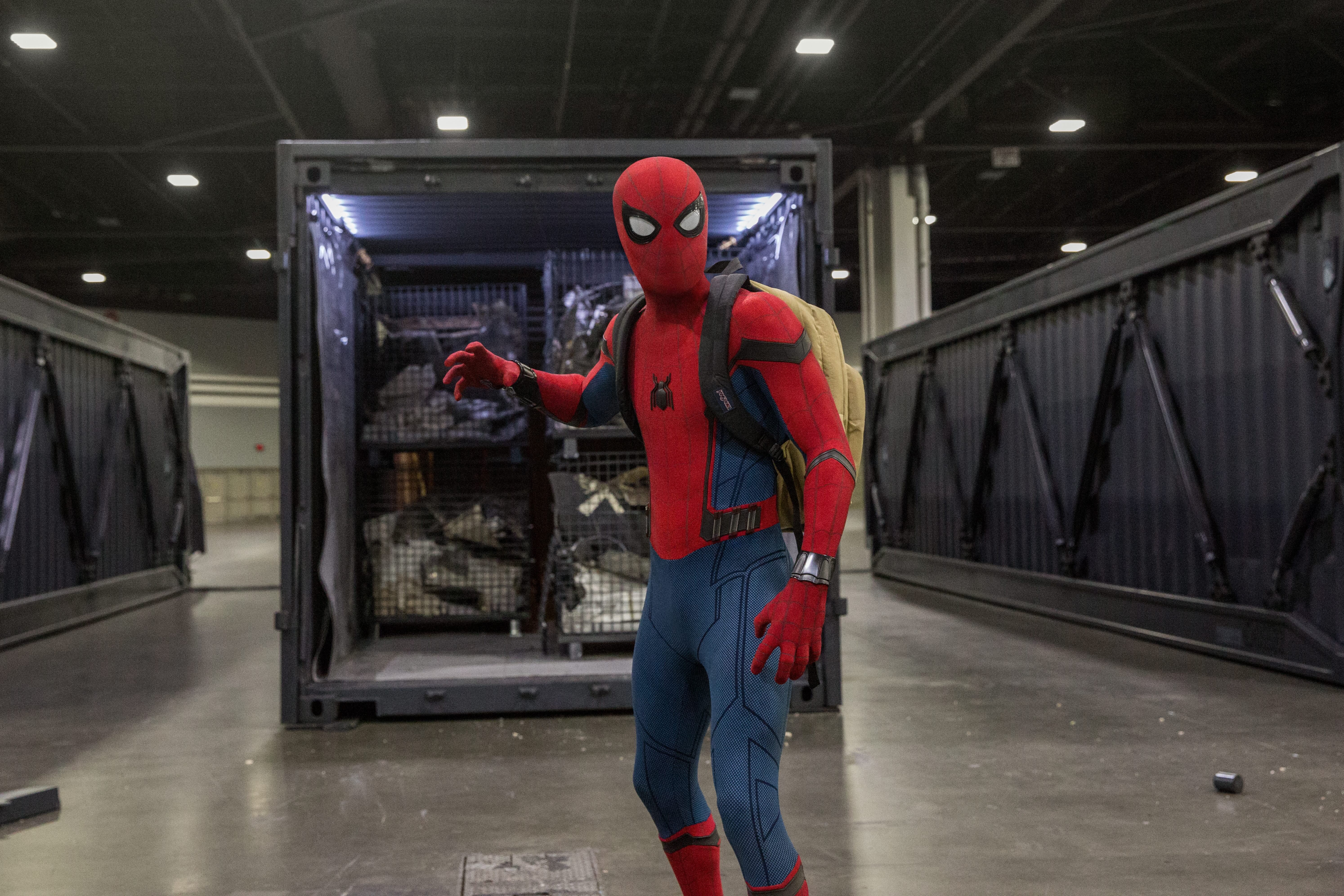
The Department of Damage Control made its Marvel Cinematic Universe debut in Marvel Studios' Spider-Man: Homecoming. The film opens in the aftermath of Marvel's The Avengers, where the Battle of New York wrecked major parts of Manhattan. After the fight against the extraterrestrial Chitauri, private contractors tried to assist with the clean-up operation, only to be superseded by the newly-established United States Department of Damage Control. Created in partnership with Stark Industries, the DODC became the branch of the federal government focused on dealing with the aftermath of superhuman crises.
Anne Marie Hoag made her MCU debut in the movie, introducing herself as the director of the Department of Damage Control, and officially took control of the Chitauri clean-up operation. Frustrated over losing business to the ultra-rich Tony Stark, Adrian Toomes decided to scavenge alien tech and form a crew of his own. Tinkering with recovered gear, Toomes became the Vulture and eventually targeted DODC facilities for more lucrative loot. However, Spider-Man caught wind of the Vulture’s plans and stopped him.
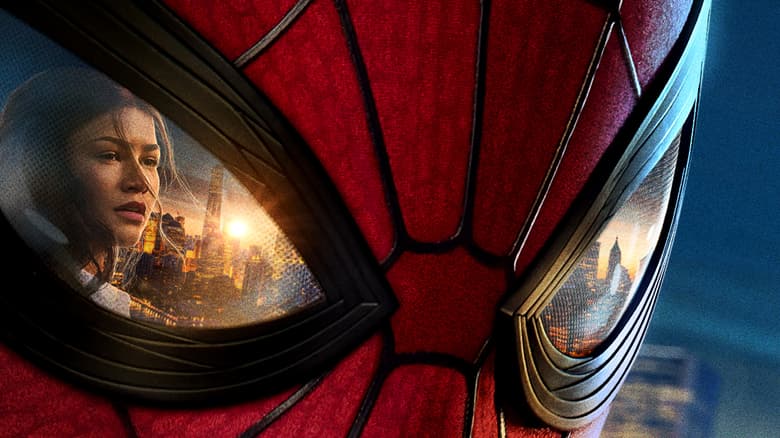
By Marvel Studios' Spider-Man: No Way Home, the DODC’s jurisdiction expanded to pursuing vigilantes it felt operated outside of the public’s best interests. When Mysterio exposed Spider-Man’s secret identity at the end of Marvel Studios' Spider-Man: Far From Home, he claimed that Peter Parker was responsible for his death and the ensuing destruction. The Department of Damage Control sprung to action, with Agent P. Cleary arresting Peter and his closest associates. Lawyer-by-day Matt Murdock succeeded in getting the charges against Peter dropped.
THE DODC’S SUPERMAX PRISON IN THE MCU
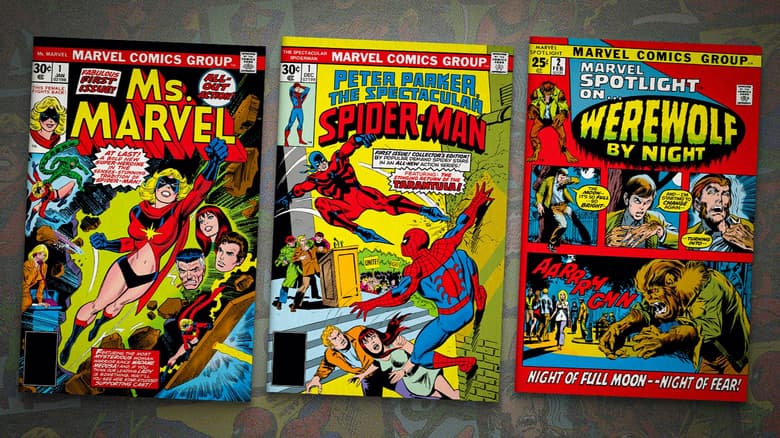
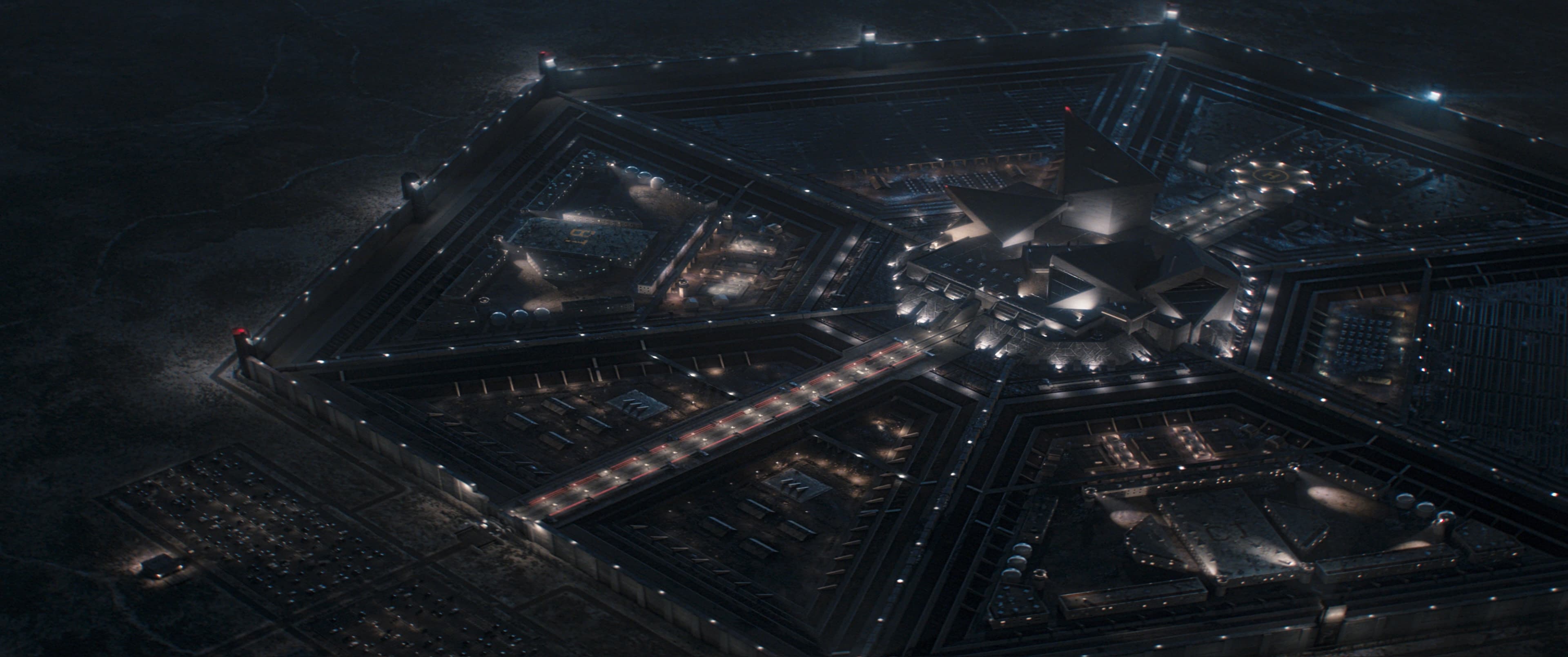
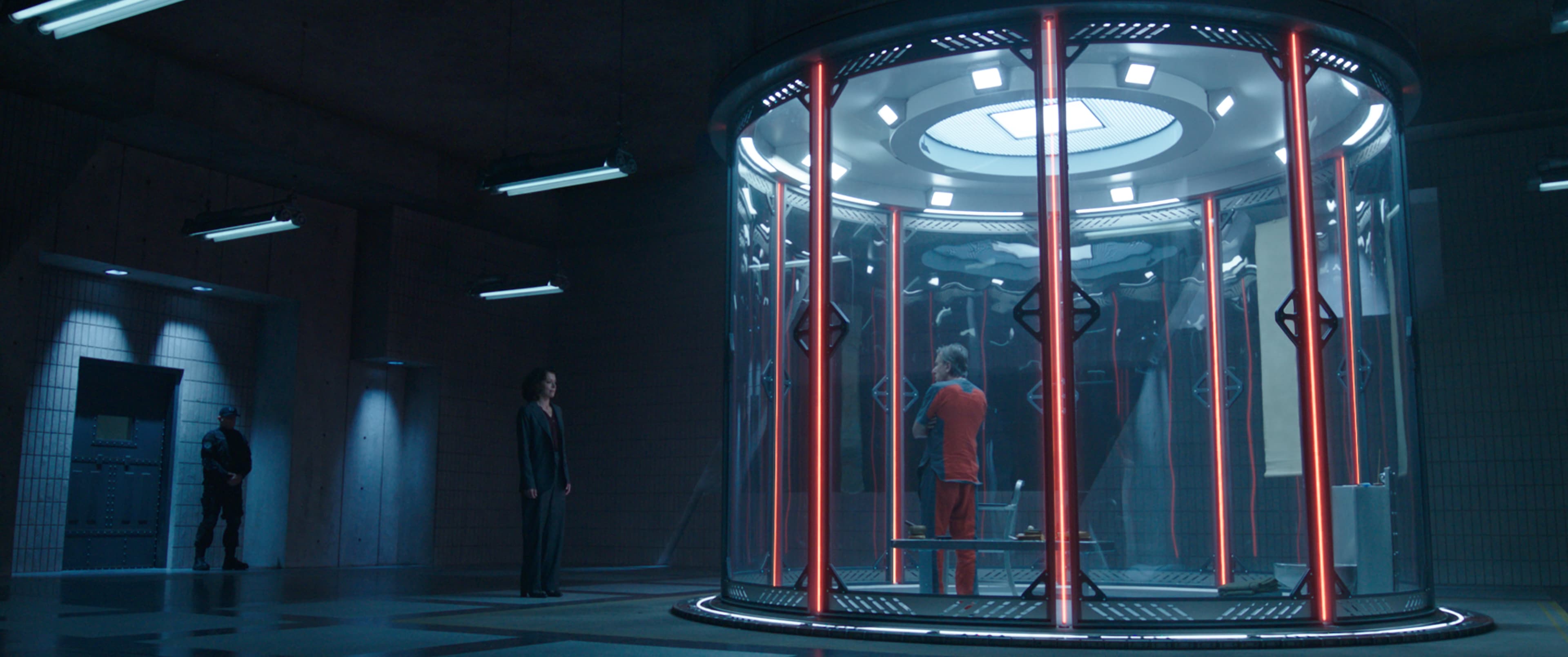
Agent P. Cleary resurfaced in Marvel Television's Ms. Marvel to investigate reports of superhuman activity in Jersey City, putting the DODC on a collision course with Kamala Khan and her associates. To deal with superhumans they considered threats, the Department of Damage Control built a supermax prison designed to contain individuals with super-powers.
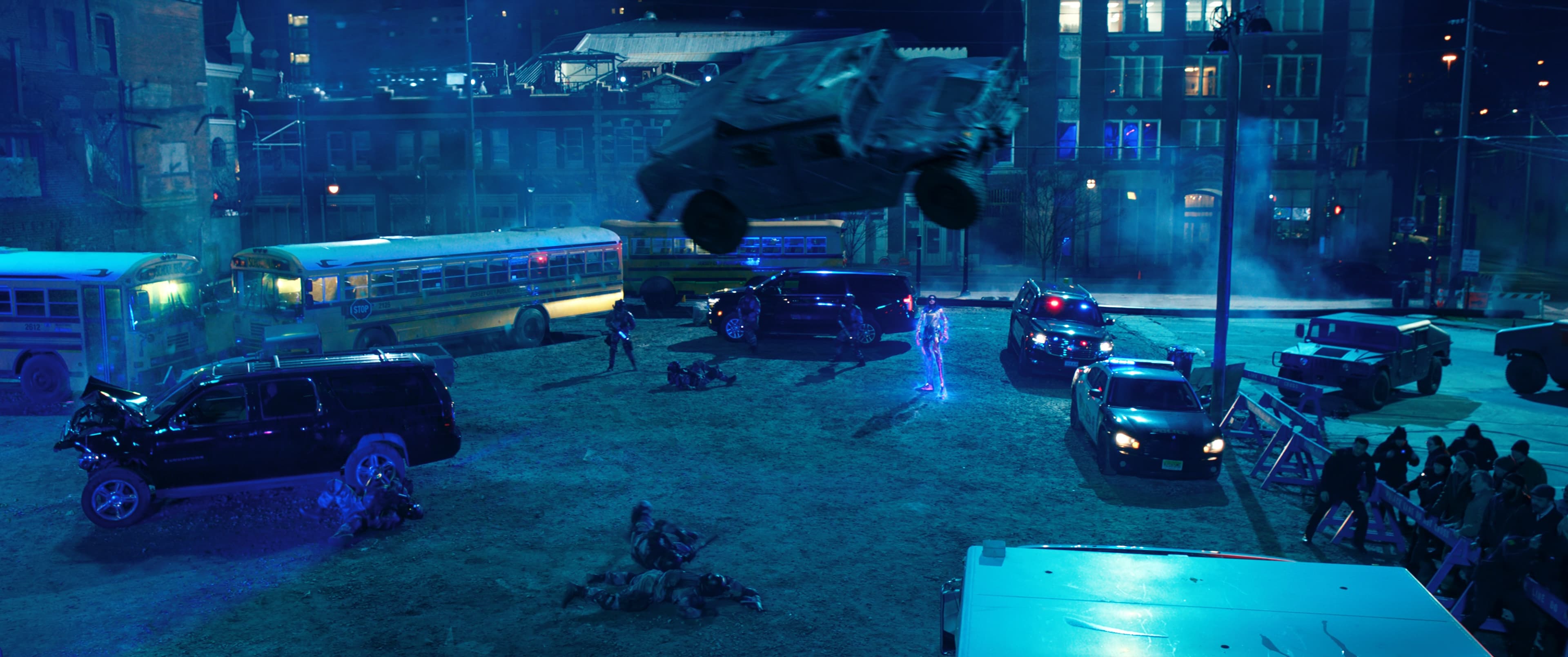
As Agent Deever tracked Ms. Marvel down, she exceeded her authority and called for a raid of Coles Academic High School to apprehend her superhuman “suspects.” Defying orders from Agent P. Cleary, Agent Deever was relieved of her duty and the DODC subsequently withdrew from Jersey City.
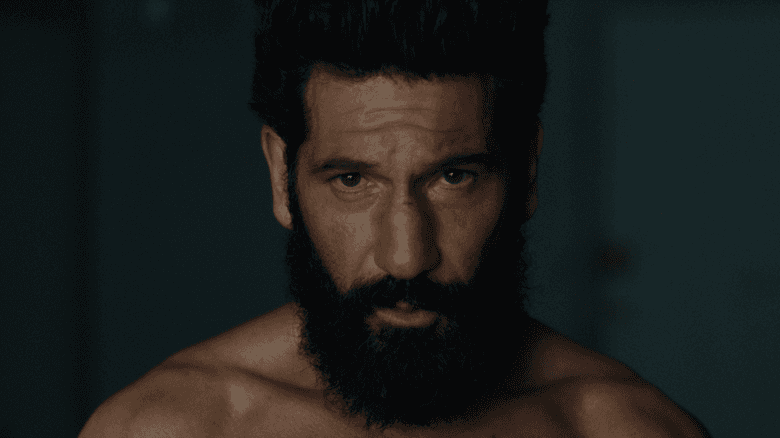
Following the Abomination’s rampage with the Hulk in Harlem, the Department of Damage Control eventually gained custody of Emil Blonsky for the remainder of his sentence. In Marvel Television's She-Hulk: Attorney At Law, Jennifer Walters, a seasoned lawyer and Bruce Banner’s cousin, visited Blonsky at the DODC supermax prison to represent him in court. Despite complications in the case, Walters attained parole for her now-reformed client.
Want more Department of Damage Control? Watch these movies and shows on Disney+ and stream Marvel Television's Wonder Man, available now!
The Daily Bugle
Can’t-miss news and updates from across the Marvel Universe!