Jack Kirby’s Greatest Marvel Comics Stories and Creations
Celebrate Jack “King” Kirby and revisit some of his greatest work that defined the Marvel Universe as we know it today.
No one has left their mark on the Marvel Universe quite like Jack Kirby. From Captain America to the Fantastic Four to the Avengers, Kirby brought several of Marvel’s most celebrated characters to life. With his distinctive dynamic style, Kirby turned heroes into icons through thrilling stories that stand tall as some of Marvel's defining epics. Whether he dealt with mythological heroes, teenage crime-fighters, or mind-bending cosmic gods, Kirby earned his title as the "King of Comics" with every line he put on the page.
To celebrate Jack Kirby’s birthday, let’s look back at some of his most iconic creations and landmark stories that shaped the Marvel Universe into what it is today.
CAPTAIN AMERICA'S DEBUT
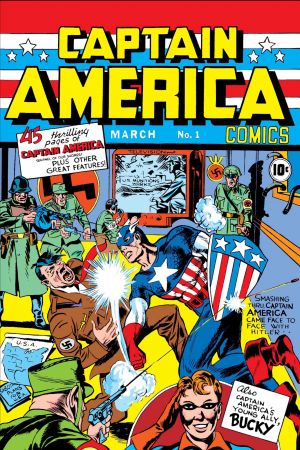
As World War II cast its shadow across the globe, Jack Kirby created Steve Rogers with Joe Simon and sent him into battle as Captain America. CAPTAIN AMERICA COMICS (1941) #1 saw Rogers become the ultimate hero after taking the Super-Soldier Serum. When a spy attacked Operation: Rebirth and killed the serum’s creator, Captain America jumped into action to avenge the scientist who gave him his abilities. Through subsequent stories, Captain America emerged as a fully formed character, complete with his young sidekick, Bucky Barnes, and his nemesis, the Red Skull.
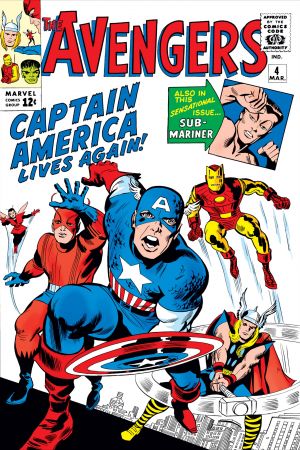
Despite being Cap being a wartime creation, Kirby did not let the character fade from view. Over two decades after the war ended, Kirby and Stan Lee gave Captain America a new life by introducing him to the modern age as a man out of time on the Avengers.

THE FANTASTIC FOUR'S FIRST STEPS
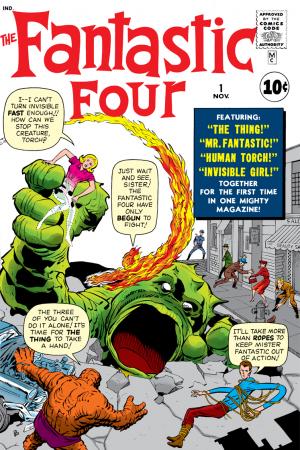
In the post-war era, Jack Kirby shifted his focus from traditional hero stories to comics that centered melodrama, monsters, and science fiction adventures. Kirby and Stan Lee combined elements from these genres to introduce the world to a new generation of heroes in FANTASTIC FOUR (1961) #1. In their first adventure, Mister Fantastic, Invisible Woman, Human Torch, and the Thing developed bizarre abilities after a fateful journey into space exposed them to cosmic rays. As they bickered and struggled to adjust to their newfound powers, the Fantastic Four came together to protect New York City from Mole Man and his gigantic subterranean creatures.
With a signature blend of human emotion, action-packed adventure, and science fiction spectacle, Kirby and Lee’s Fantastic Four created an era-defining template for super hero storytelling. This milestone issue kicked off the modern Marvel Universe with Kirby and Lee’s fantastic vision as its foundational text.

THE HULK’S CREATION
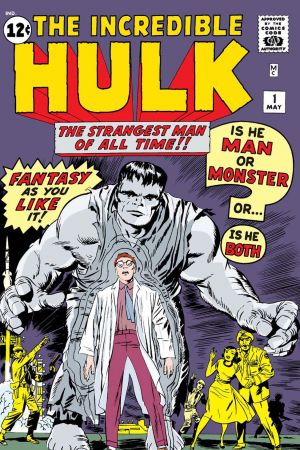
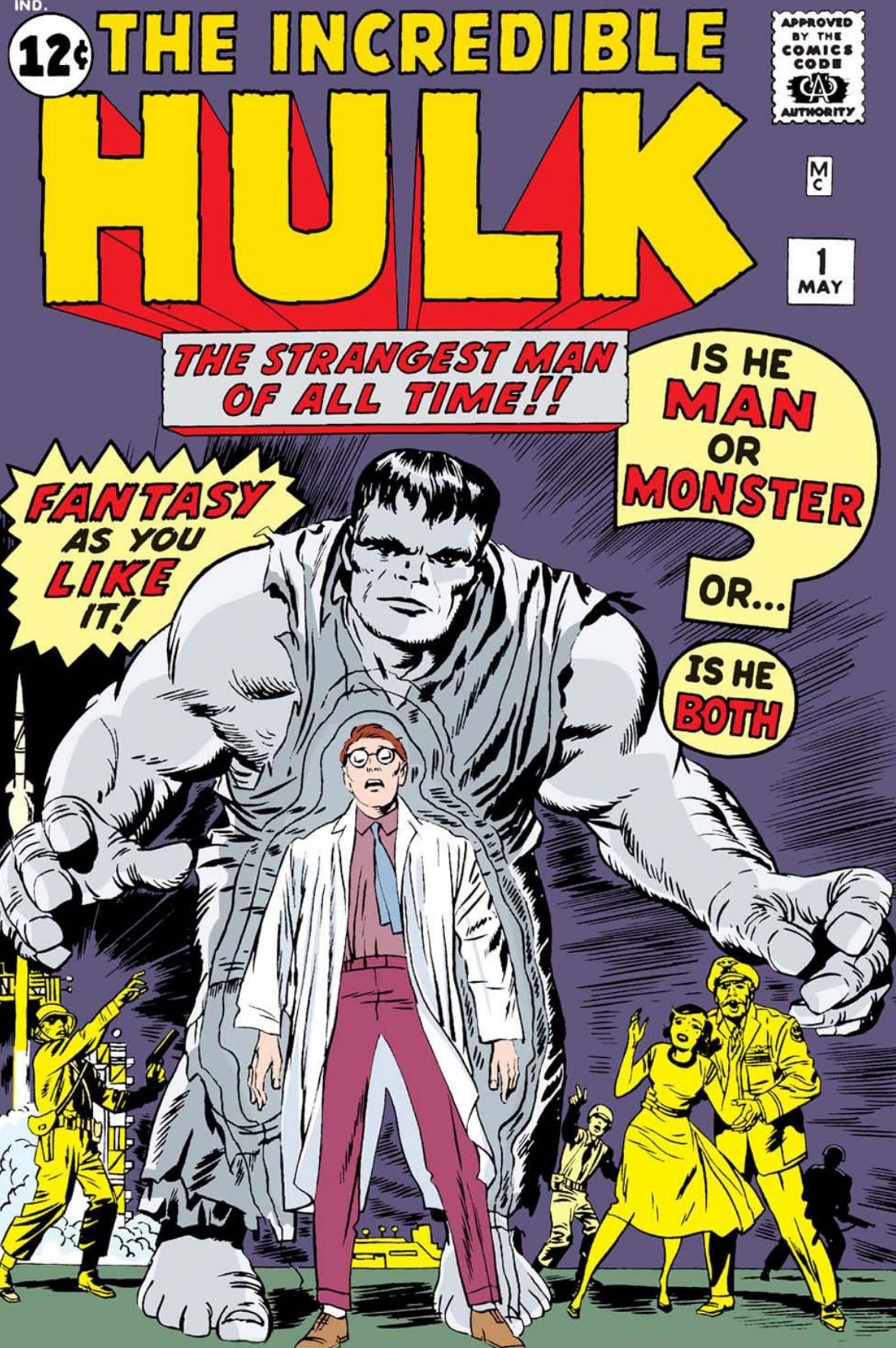
Following the success of the Fantastic Four, Jack Kirby and Stan Lee created the Hulk in INCREDIBLE HULK (1962) #1. When scientist Bruce Banner put himself in front of a gamma bomb blast to save the teenage Rick Jones, he transformed into the savage and superhuman Hulk. Banner struggled to control the atomic creature within him, blurring the line between hero and monster. By blending nuclear science with a healthy dose of Cold War-era intrigue, Kirby and Lee embodied the anxieties of the Atomic Age in the Hulk's early adventures.
Although Bruce Banner’s first series only lasted a few issues, these stories set the stage for the Hulk to become a pop culture icon, highlighting the psychological complexities of Marvel storytelling.
THE AVENGERS ASSEMBLE
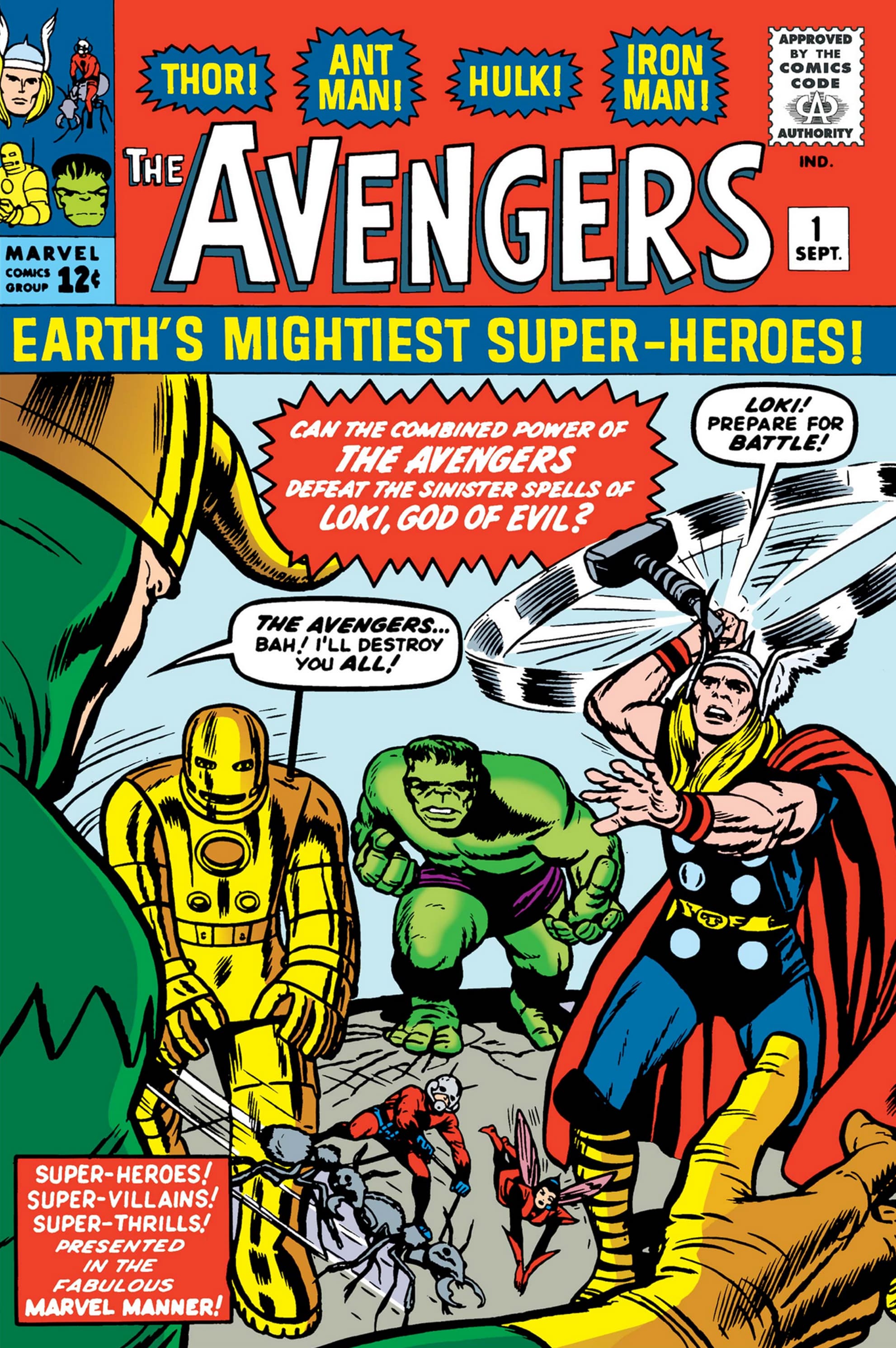
Jack Kirby and his collaborators populated the growing Marvel Universe with heroes like Thor, Iron Man, Ant-Man, and the Wasp. When Loki framed the Hulk for a rampage, Rick Jones sent out a call for help that inadvertently assembled Earth’s Mightiest Heroes for the first time in AVENGERS (1963) #1 by Stan Lee and Jack Kirby. The heroes defeated Loki and agreed to become a team known as the Avengers.
While each founding Avenger went on to have their own distinct solo adventures, the team’s first roster celebrated the interconnectedness of the Marvel Universe. This unlikely team demonstrated how mighty Marvel’s heroes could be when they worked together.
THE X-MEN’S FIRST CLASS
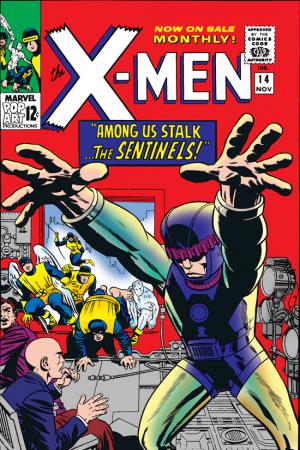
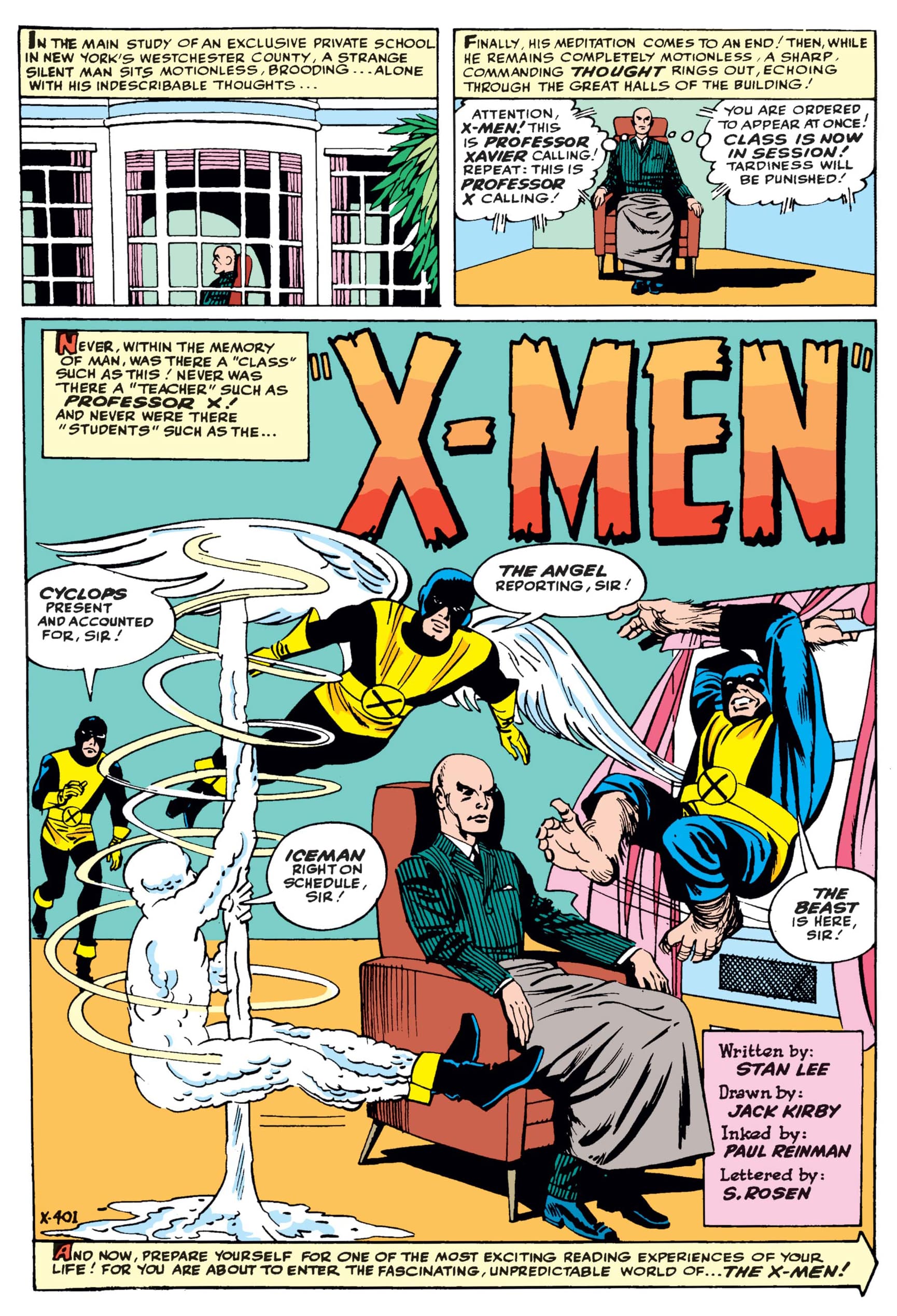
Originally called the "strangest super heroes of all," the X-Men were designed to be outcasts. In UNCANNY X-MEN (1963) #1, Stan Lee and Jack Kirby introduced Professor X, the X-Men, and Magneto to the Marvel Universe. Unlike other super heroes, mutants were born with their powers, making them outsiders in a world that hated and feared them.
As Professor X and Magneto dueled over competing philosophies, the teenage Cyclops, Beast, Iceman, Angel, and Jean Grey trained to use their powers for good. The comic also introduced the interpersonal dramas and romantic tensions that would eventually define the team off the battlefield.
By introducing several mutant icons and ideological debates to the Marvel mythos, Kirby and Lee set the X-Men up to become defining heroes of the Marvel Universe in subsequent decades.
THE COMING OF GALACTUS
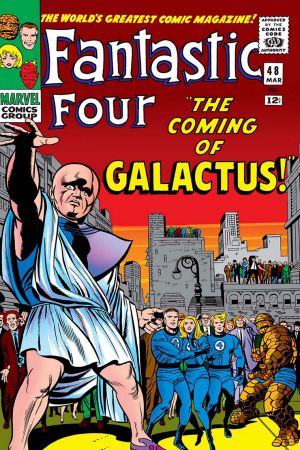
Jack Kirby created characters in every corner of the Marvel Universe, but many of his signature heroes emerged within the pages of FANTASTIC FOUR (1961). In FANTASTIC FOUR (1961) #48, Kirby and Lee introduced two Marvel icons, the Silver Surfer and Galactus, in one of the greatest sagas known as "The Coming of Galactus." While searching for planets for Galactus to consume, the Silver Surfer put Earth on his world-devouring menu, presenting the Fantastic Four with one of their greatest challenges.
With Earth facing certain annihilation, the Fantastic Four bet the world’s survival on one of their riskiest plans. This ambitious three-part epic saw Kirby and Lee operate at the height of their powers as they raised the cosmic stakes of the Marvel Universe.

THIS MAN, THIS MONSTER
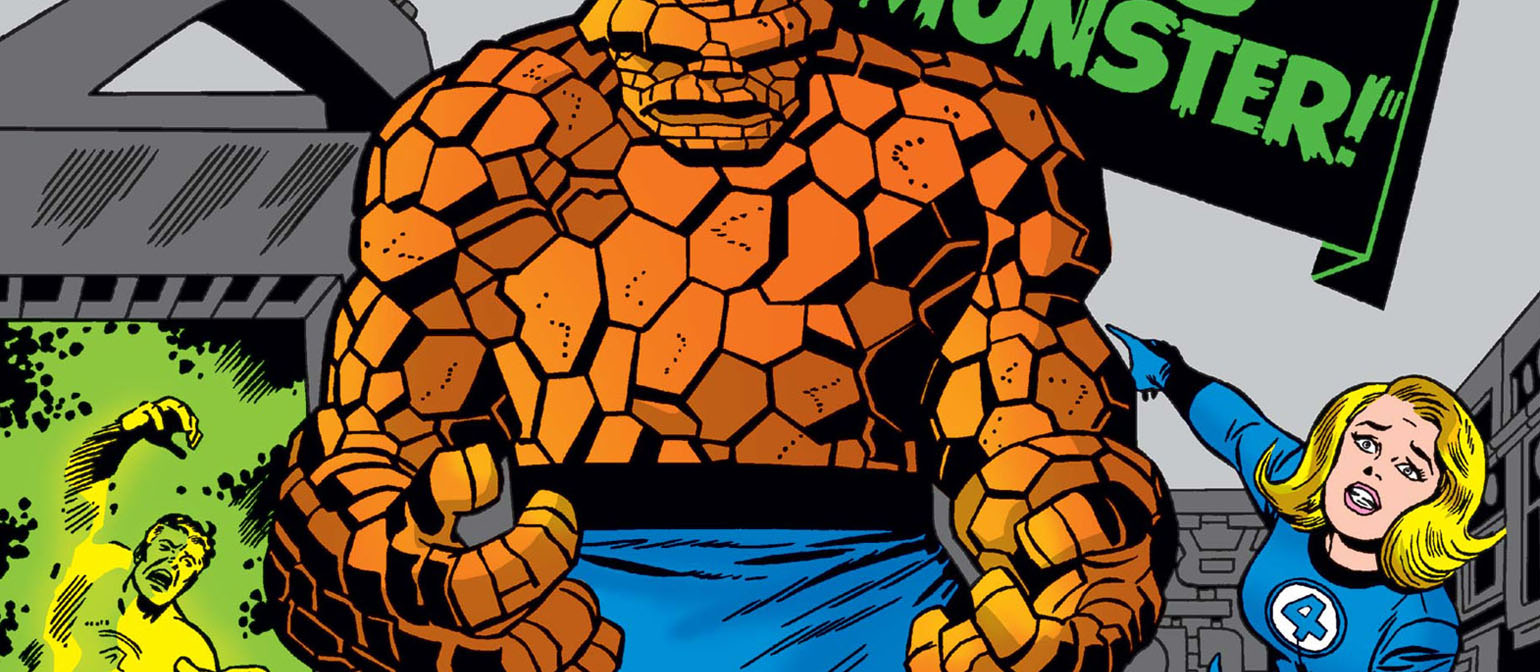
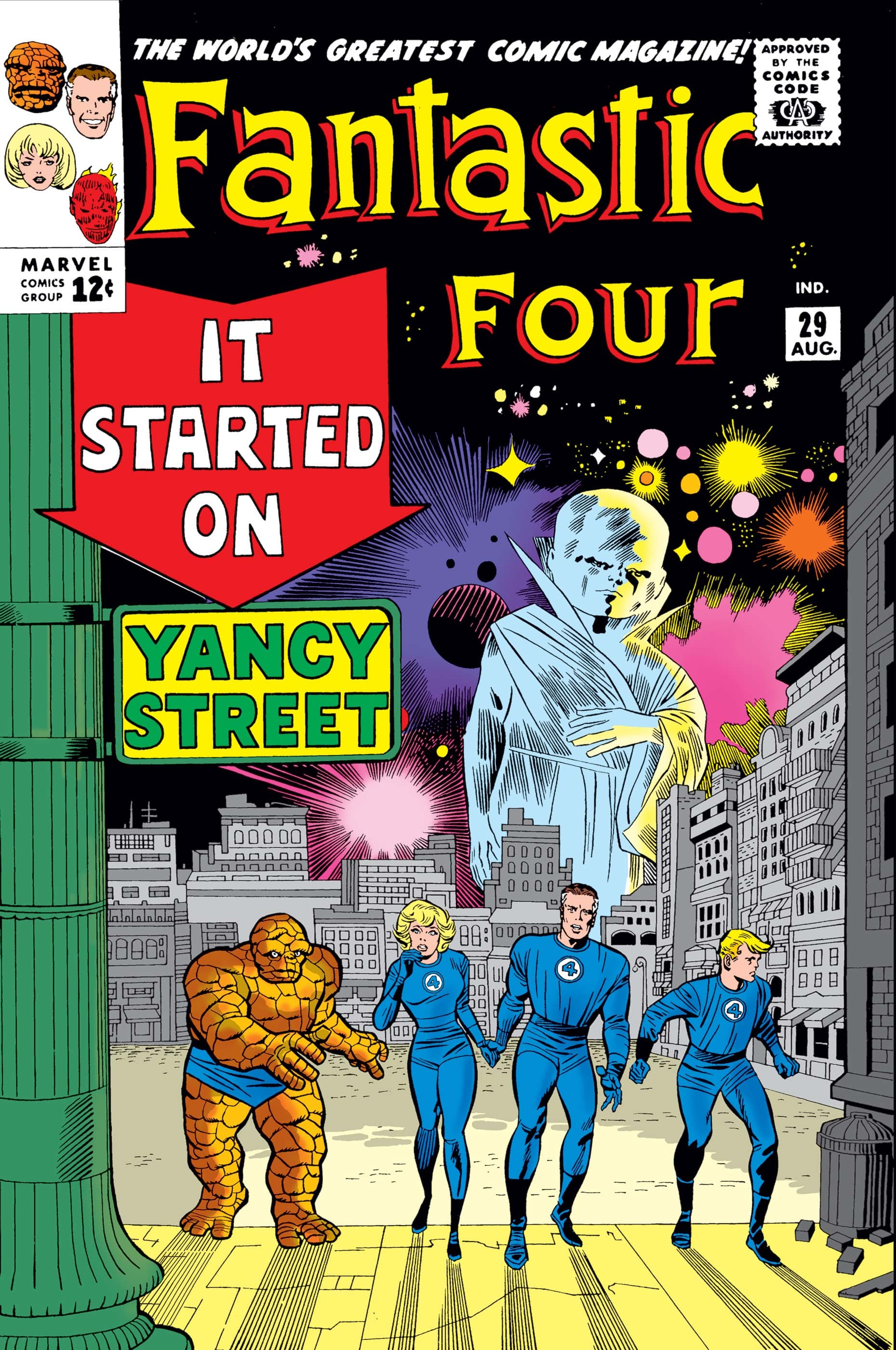
The Thing emerged as the Fantastic Four’s breakout star in the Marvel Universe’s early days, with some distinct similarities to Jack Kirby himself. Under Kirby’s pen, the tough-talking Ben Grimm went from humble beginnings on Yancy Street to the far reaches of the cosmos. In one of Kirby and Lee’s most celebrated and heartbreaking tales, the Thing briefly shed his rocky exterior when a villain restored his human body in FANTASTIC FOUR (1961) #51.
This issue showcased the emotion embedded in Kirby’s art, as he captured the Thing’s melancholy with iconic images. Through his work, Kirby underscored the Thing’s humanity, a facet that made him stand out as one of the creator’s most compelling characters.

BLACK PANTHER STRIKES
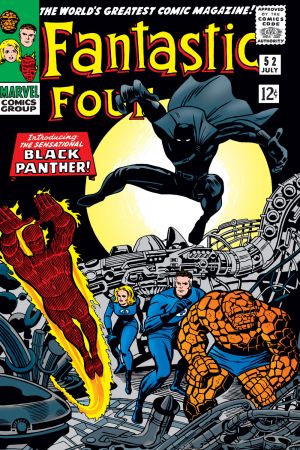
In the middle of the Civil Rights Movement, Jack Kirby and Stan Lee created Black Panther, one of the first Black super heroes in comics. Debuting in FANTASTIC FOUR (1961) #52, King T’Challa invited the Fantastic Four to Wakanda, where he revealed the secret technological majesty of his hidden kingdom. As he observed the heroes, Black Panther took down each individual member of the team to see if they would be up to the challenge of taking on his nemesis, Ulysses Klaw.
In this memorable debut, Black Panther proved himself to be one of Marvel’s fiercest fighters. The issue introduced a key corner of the Marvel Universe, setting the stage for the wonders of Wakanda to be explored further in the future. Kirby himself would go on to chronicle some of Black Panther’s first solo adventures.

DOOMSDAY
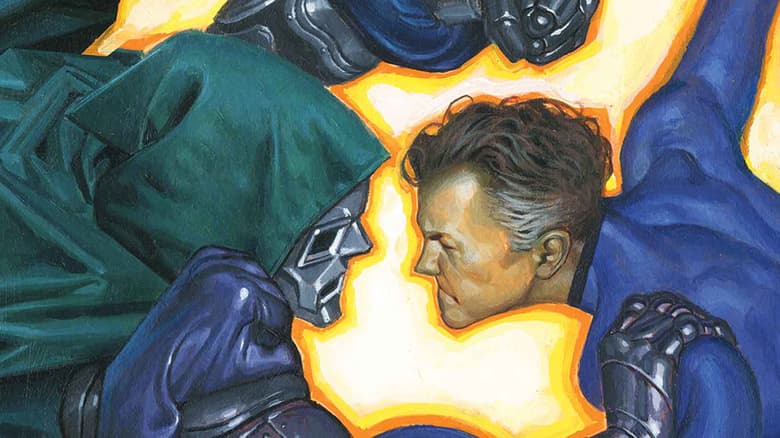
Jack Kirby and Stan Lee introduced Doctor Doom in the Fantastic Four’s early adventures and rapidly established the Latverian monarch as the most dangerous man in the Marvel Universe. In a four-part epic that began in FANTASTIC FOUR (1961) #57, Doom stole the Silver Surfer’s cosmic power and tried to take over the world. With power that crackled off every page, Doom faced the Fantastic Four as well as the Inhuman Royal Family, another roster of signature characters brought to life by Kirby. This story culminated in some of Kirby’s most iconic characters coming together against an all-powerful Doom, who came dangerously close to world domination.

THOR: MANGOG’S RAGNAROK
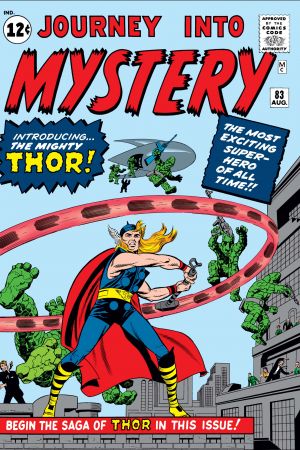
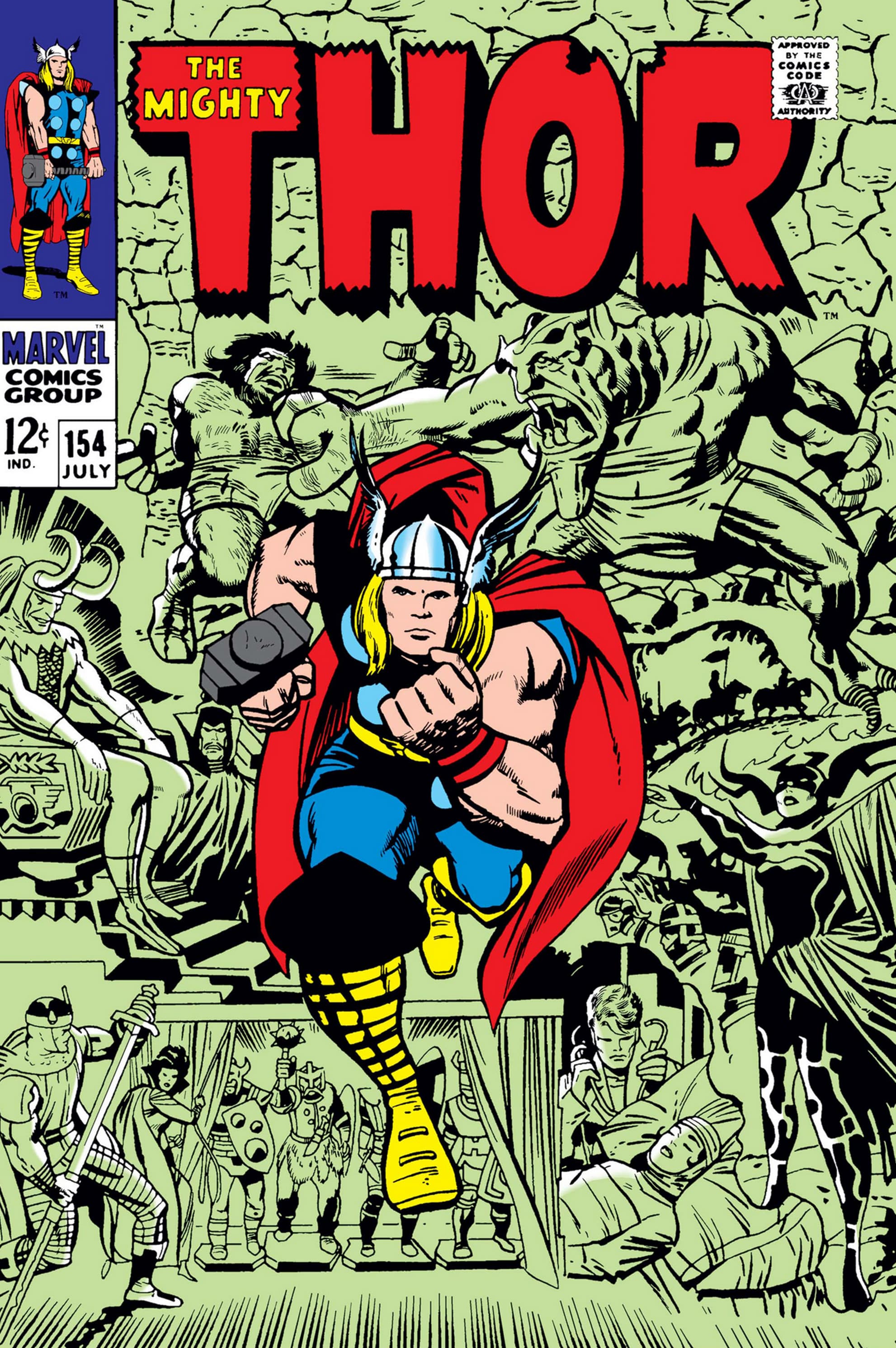
After bringing Thor into the Marvel Universe, Jack Kirby and Stan Lee spent the better part of a decade telling tales of Asgard, mixing Norse mythology with modern super hero storytelling. As Thor’s adventures grew to include other pantheons and more cosmic elements, the God of Thunder faced the threat of Ragnarok, the prophesied Asgardian apocalypse, in THOR (1966) #154. As Odin slept and Loki sat on his throne, the hateful embodiment of the All-Father’s conquests known as Mangog threatened the end of the world.
Against the force of a "billion, billion beings," Thor and his Asgardian allies made a valiant last stand in an epic that blended mythology with high-octane action, all done in Kirby’s signature dynamic style.
CAPTAIN AMERICA: MADBOMB
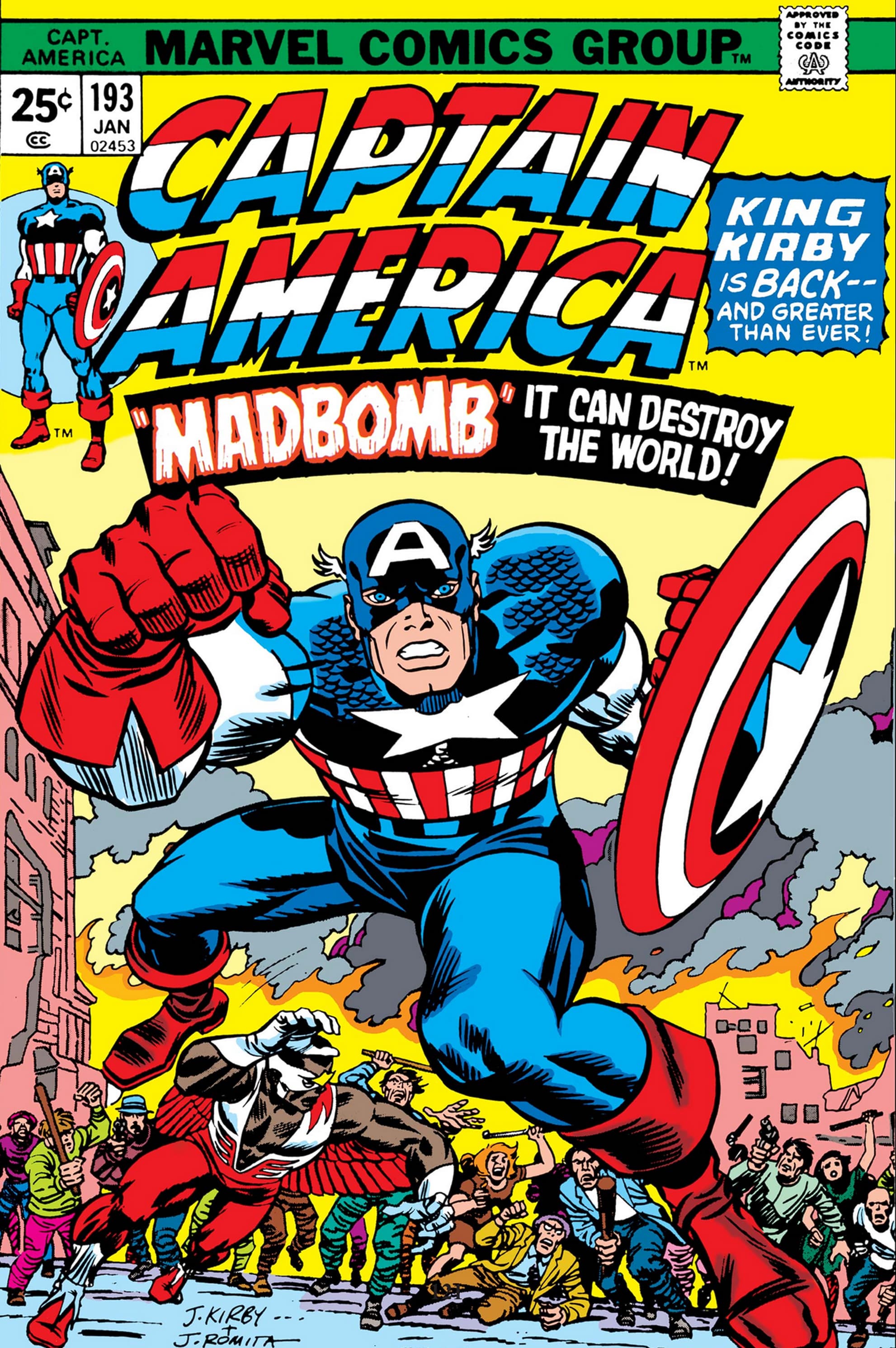
In the 1970s, Jack Kirby wrote and drew several mind-bending, boundary-pushing comics featuring ancient cosmic gods, dinosaurs, and of course, some of his classic characters. Kirby reunited with Captain America to kick off one of the character’s most memorable sagas. In CAPTAIN AMERICA (1968) #193 by Jack Kirby, Steve Rogers worked alongside Falcon (Sam Wilson) to deal with the now-infamous Madbomb.
When activated, the Madbomb sent anyone nearby into a violent berserker rage, even our heroes. After they overcame the device’s influence, Captain America and the Falcon worked together to stop William Taurey and his Elite from using the device to tear America apart. With this story, Kirby returned to one of the first icons he shared with the world and crafted a conspiratorial saga for the ages.
The Daily Bugle
Can’t-miss news and updates from across the Marvel Universe!