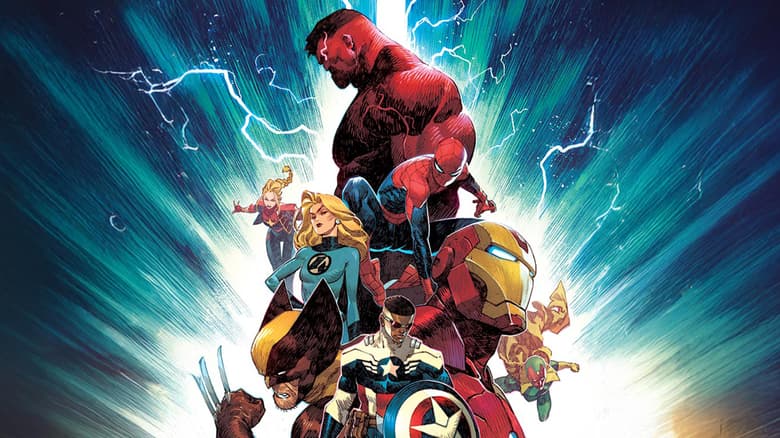
Marvel Remembers Former Editor in Chief Jim Shooter
Marvel editors, writers, and artists pay tribute to the legendary creator, who redefined the comics industry and brought life to some of Marvel’s most iconic stories.
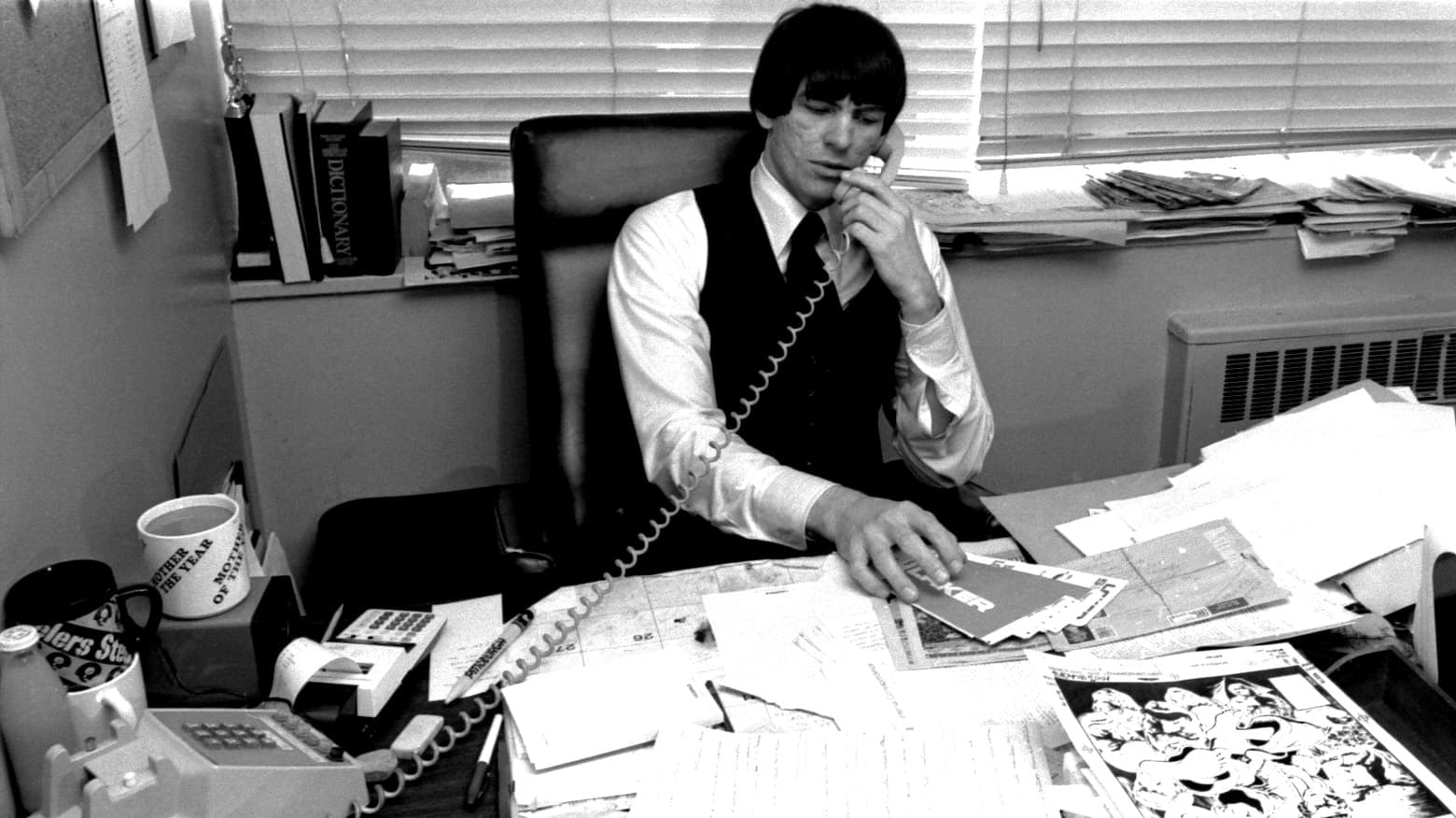
Marvel remembers the life and career of Jim Shooter, who left an indelible impact on the entire comics industry that is still felt today. Jim began his career in comics at the age of 14 writing DC’s Legion of Super-Heroes in Action Comics. He came to Marvel in 1976 and quickly moved up to become editor in chief, holding that position from 1978 to 1987. He brought new ideas and processes to the company, creating an editorial structure and supportive initiatives for creators that are still in place today.
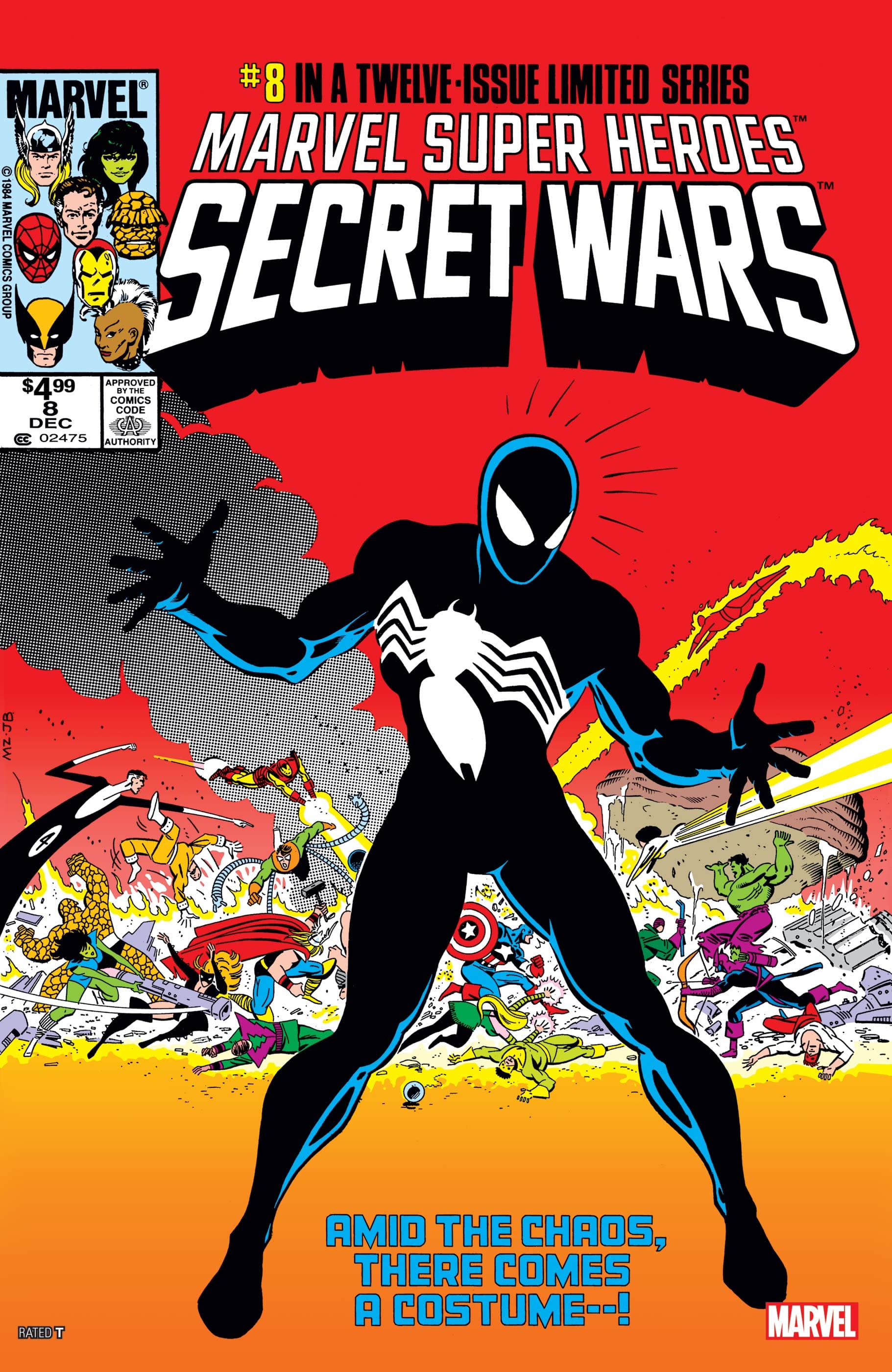
During his tenure, Marvel released classic stories such as Jim Starlin’s DEATH OF CAPTAIN MARVEL, Walter Simonson’s Thor, Frank Miller’s Daredevil and Chris Claremont’s X-Men. His SECRET WARS (1984) limited series also went on to usher in an era of event comics and company-wide crossovers that continue to define the industry decades later.
After leaving Marvel, he would go on to lead three other comic book companies and continue writing and making convention appearances. Shooter profoundly affected the comics industry, and his undeniable legacy will not be forgotten.
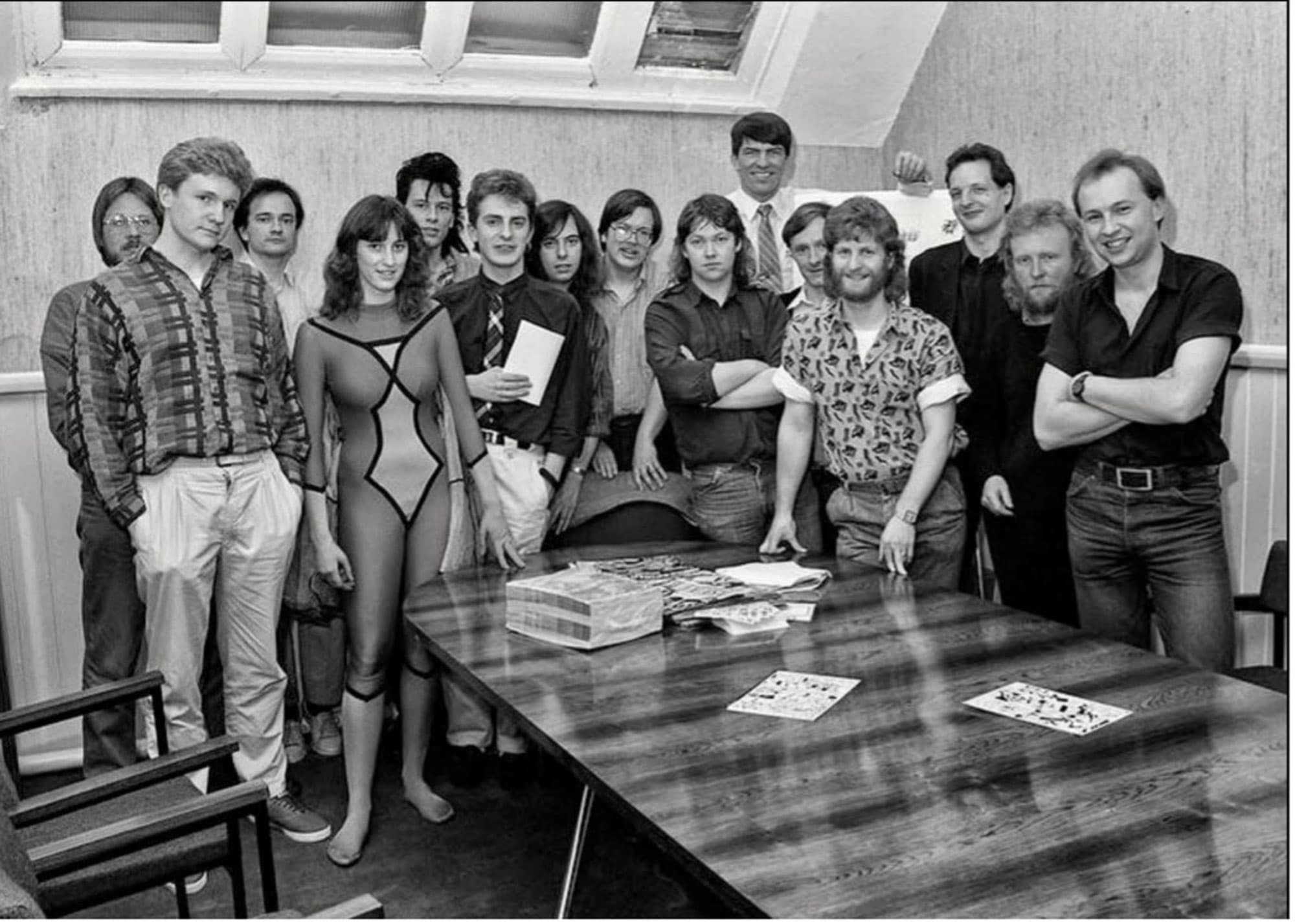
“Jim Shooter’s time at Marvel left a mark that’s impossible to ignore,” shares former Marvel editor in chief Joe Quesada. “As editor in chief, he guided the company through big, sometimes controversial changes, and helped bring us books like SECRET WARS, the X-Men’s resurgence, and classic Avengers runs that still inspire today. Like those before him, Jim’s influence shaped the playground that my generation of editors, writers, artists, inkers, colorists, and letterers got to work in, and he moved the economics forward for all of us by pushing Marvel to keep up with its competitors, introducing royalty and art return policies.”
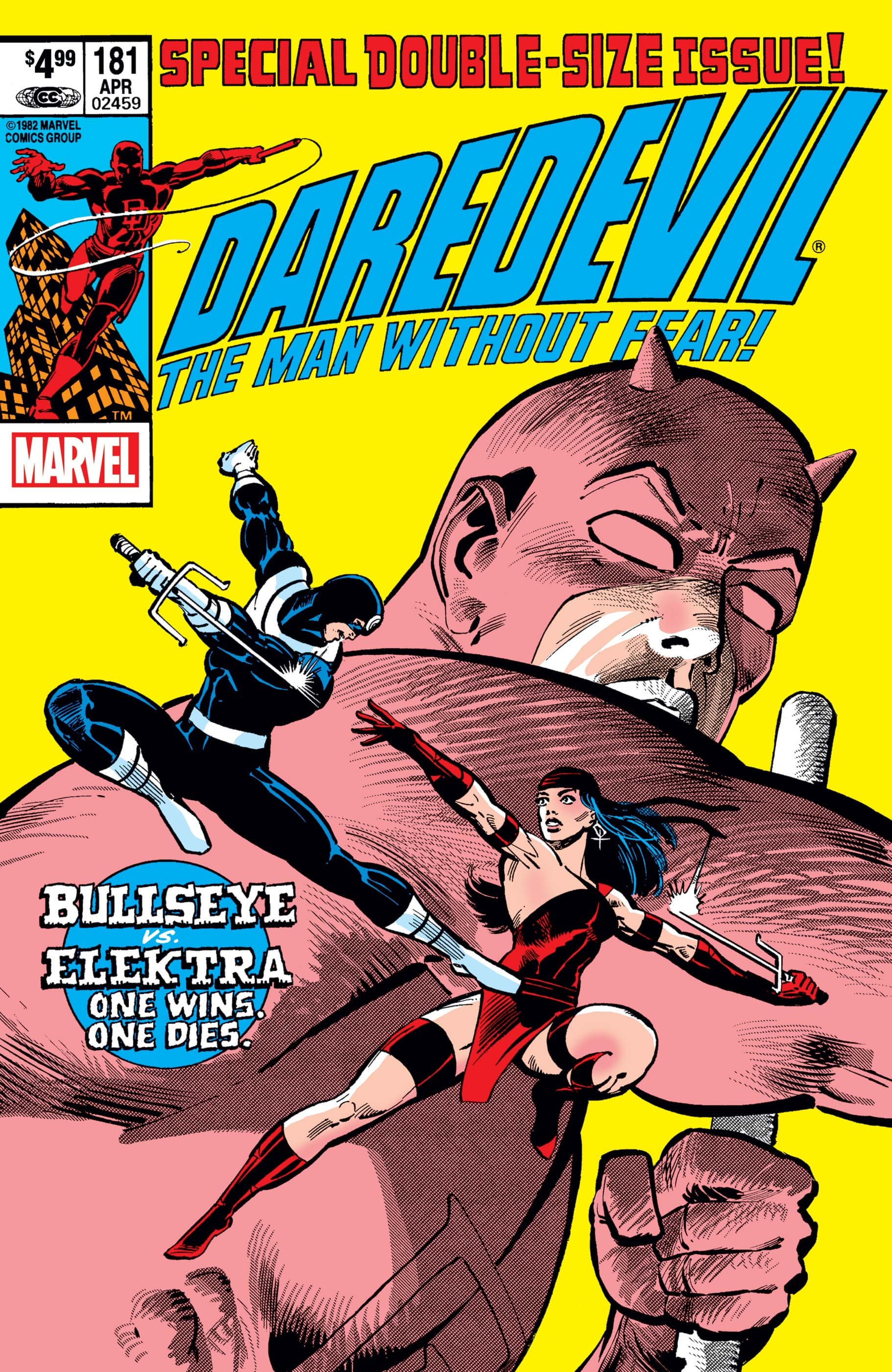
One of the earliest successes shortly after Shooter’s promotion to Marvel editor in chief was Frank Miller’s groundbreaking run on DAREDEVIL (1964), with Shooter and line editor Dennis O’Neil entrusting Miller to work on the title as both writer and artist. Miller not only repositioned DAREDEVIL as a neo-noir figure compared to the less morally ambiguous and colorful Super Hero comics of the time, but heavily shaped the character’s backstory and outlook. Moreover, Miller’s run on DAREDEVIL redefined what Super Hero comics could be, signaling an elevated storytelling sophistication the medium hadn’t yet experienced in the American mainstream. Miller later returned to Marvel near the end of Shooter’s time with the company for arguably his greatest Marvel story, 1986’s DAREDEVIL: BORN AGAIN.
“Storytelling was at the heart of every conversation Jim had about comics,” observes former Marvel editor in chief Bob Harras. “It was in his bones. Those conversations — widely ranging from Little Miss Muffet to the Rocky films — influenced a generation of writers, artists, and editors and are a major part of his legacy.”
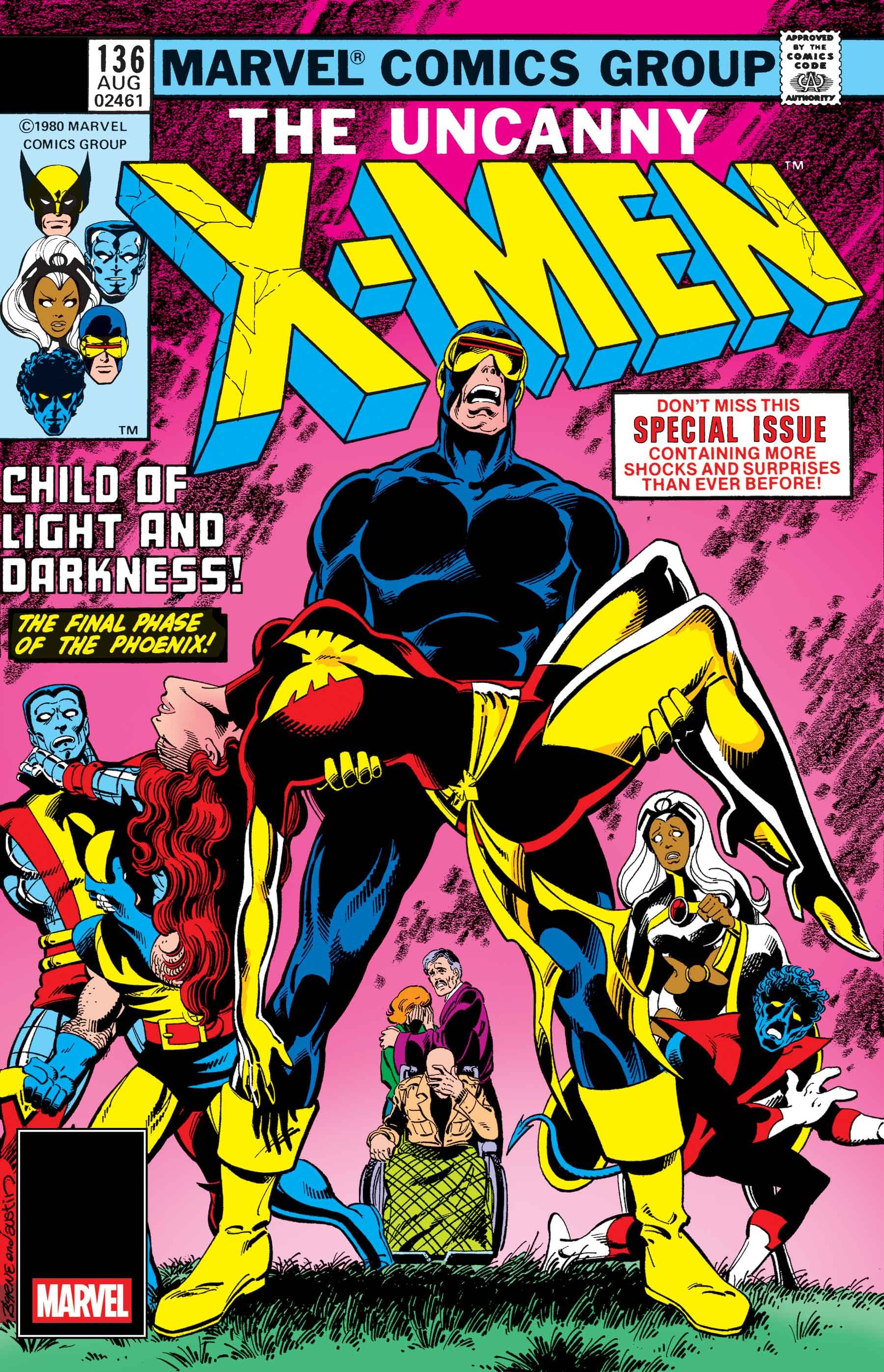
One of Shooter’s biggest creative coups was overseeing a complete revitalization of the X-Men comic book line, with writers like Chris Claremont and Louise Simonson and artists like John Romita Jr. and Marc Silvestri at the helm. This was an especially fruitful period for the X-Men, with multiple comic book titles joining the flagship series UNCANNY X-MEN (1981). Under Shooter’s leadership, the X-Men line became one of the best-selling comics on the market, with Marvel’s Merry Mutants receiving some of their most enduring stories during this era.
There had always been a level of social commentary with the X-Men, but it became more noticeably pronounced, with the level of storytelling more mature and ambitious. Claremont and his associates essentially repositioned the X-Men as an engrossing and growing system of character arcs, complete with plot twists and character-defining moments that all informed a larger Super Hero story. During Shooter’s editorial era at Marvel, the titles also brought in crossover storytelling contained within the X-Men line, starting with 1986’s well-received X-MEN: MUTANT MASSACRE.
“Shooter was my inspiration to get into comics,” recalls former Marvel editor in chief Gerry Conway. “We were about the same age (13-14) when he started to write Legion in Adventure Comics, and I foolishly thought: If this kid can do it, so can I. We had a troubled relationship, but his accomplishments speak for themselves. He was a legend.”
Just as Shooter broke into the comic book industry as a writer, he kept up his prolific writing career while maintaining his editorial duties at Marvel. This included writing numerous issues of AVENGERS (1963), DAREDEVIL, and GHOST RIDER (1973) throughout the ‘80s. With AVENGERS in particular, he boldly updated the team’s roster and adventures to connect with contemporary audiences. Shooter also wrote the monumental issue of MARVEL TREASURY EDITION (1974), which featured the second-ever team-up between Spider-Man and Superman, to the delight of comic readers of both companies.
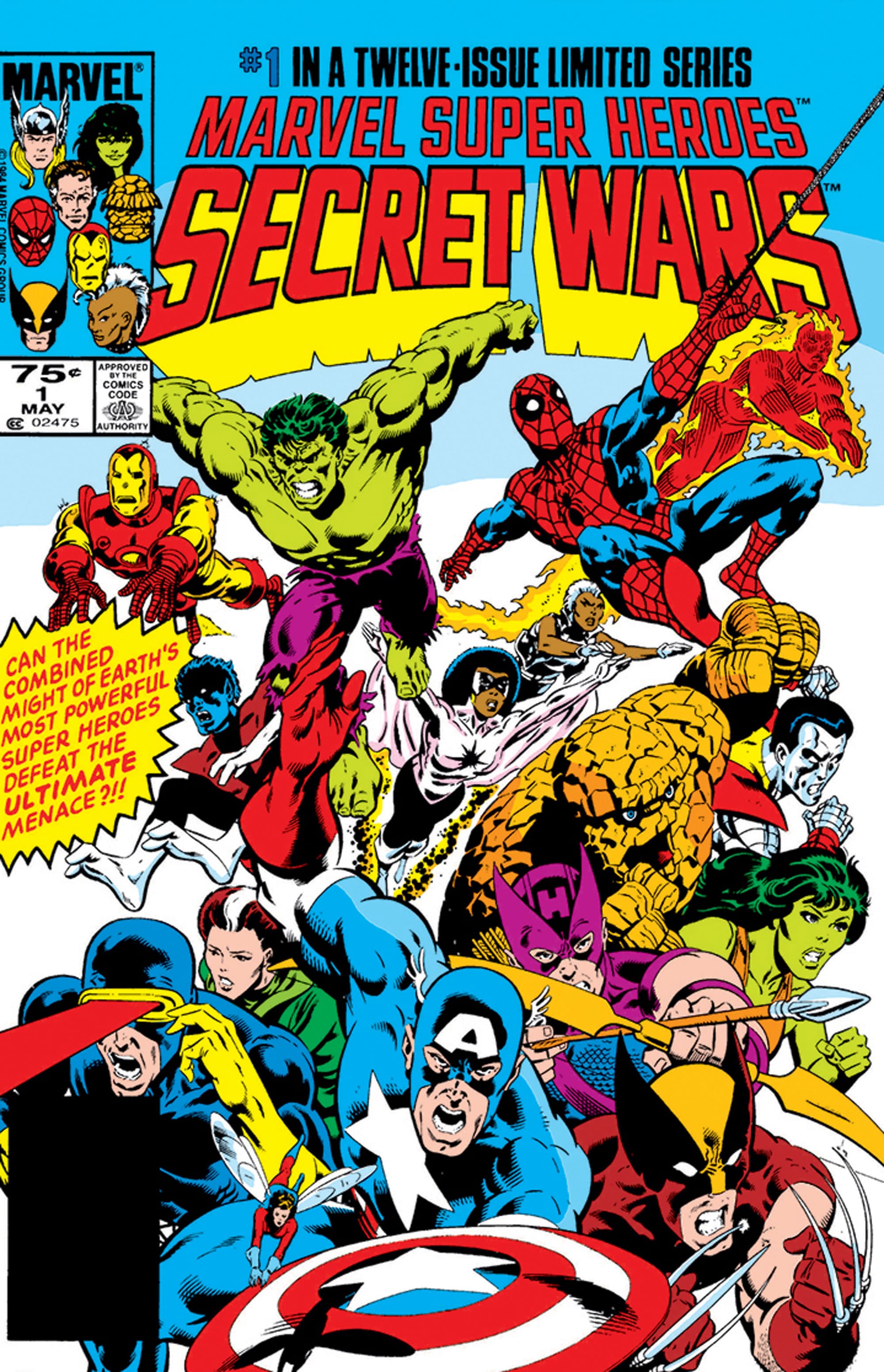
But Shooter’s most celebrated comic book story as a writer was 1984’s SECRET WARS, a monumental crossover starring Marvel’s biggest heroes and villains. With artists Mike Zeck and Bob Layton, Shooter crafted epic storylines with bombastic scale, uniting classic characters in an unprecedented way. Shooter would follow up on his original story’s success with the even more expansive sequel SECRET WARS II (1985), making the concept of crossover storytelling an industry-wide staple.
“That Jim Shooter was a giant in the comics industry is indisputable,” reflects former Marvel editor in chief Axel Alonso. “He pretty much invented the crossover events that have dominated the industry for decades and established the editorial and talent structure that have served Marvel ever since.”
“Although Jim Shooter and I had our quite real differences, I always admired his considerable talent, and I respected a number of the innovations he brought to Marvel and to the comics industry, including the cross-company epic (with SECRET WARS) and his attempt in the 1980s to develop a ‘New Universe’ that might bridge the gap between ‘the world outside your window’ and the fantastic exploits of Super Heroes,” states former Marvel editor in chief Roy Thomas. “I think we were both happy when, a few years ago, we sat on a convention panel together and found a way to bridge the gap between each other, as well. Bon voyage, Jim. You left us far too soon, but you left us richer for your having been here.”
Beyond his own writing, Shooter encouraged creative teams across Marvel’s biggest titles to redefine and push the boundaries of its most iconic characters. Shooter’s SECRET WARS collaborator Bob Layton worked with David Michelinie and Mark Bright on a celebrated IRON MAN (1968) run that focused on Tony Stark’s nuanced humanity in timeless stories like ARMOR WARS and DEMON IN A BOTTLE. Michelinie and Roger Stern also brought Spider-Man to even more ambitiously creative territory under Shooter’s editorial leadership, with Stern trading off writing issues of AVENGERS with Shooter at the time.
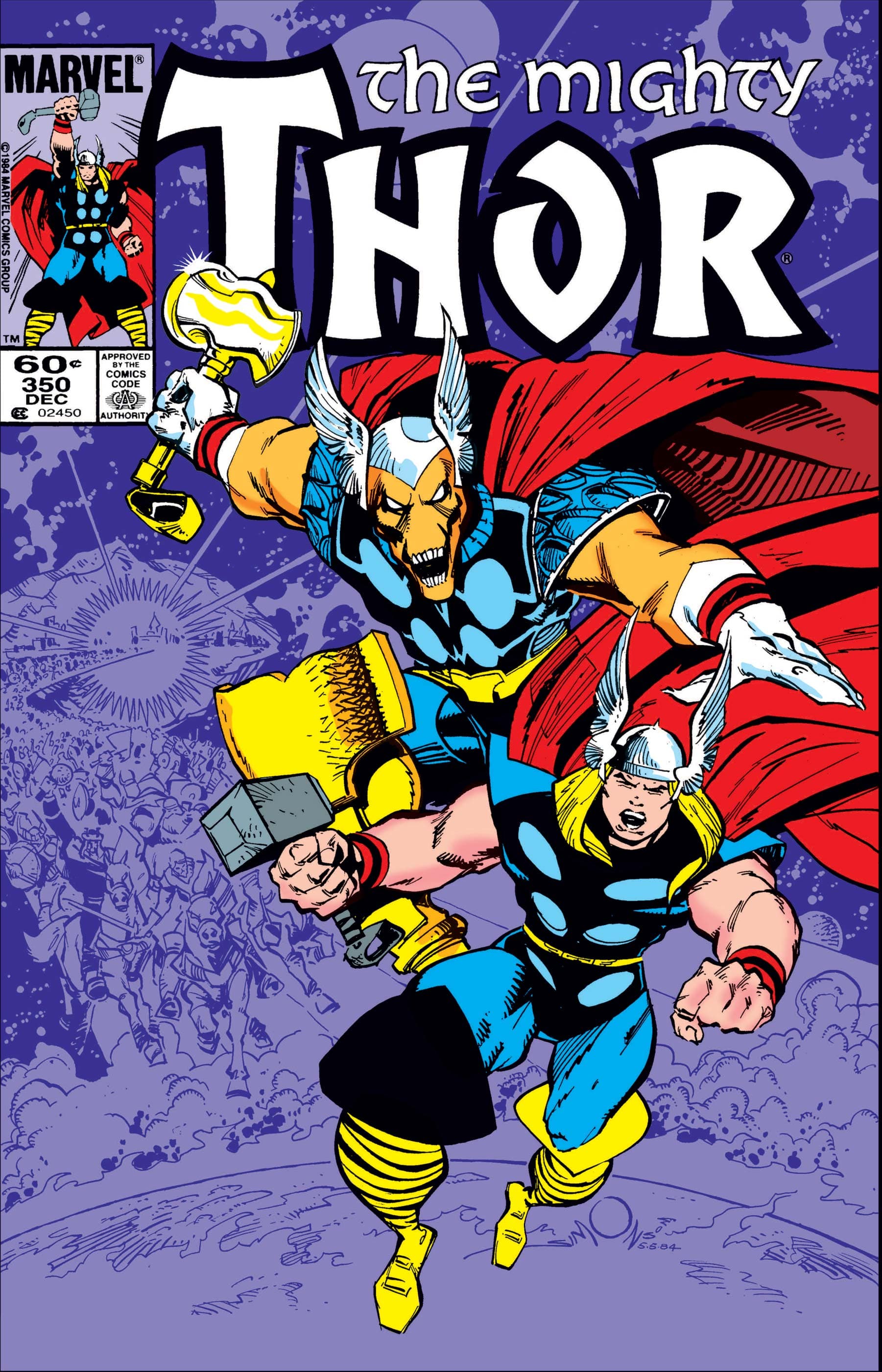
What was arguably the greatest run on THOR (1966) also took place under Shooter’s watch, with Walter Simonson working as both the series’ writer and artist. Simonson balanced the classic Norse folklore elements with the imaginative possibilities of cosmic storytelling, something that helped shape the Marvel Cinematic Universe’s depiction of the Asgardian Avenger. In essence, Simonson crafted Thor as a bit of modern mythology, actively blurring the lines between high fantasy and hard science fiction during Shooter’s tenure.
“Jim Shooter is, was, and always will be a GIANT in our industry — creatively and physically!” declares former Marvel editor in chief Tom DeFalco. “Others will talk about his many successes and failures. I know he truly loved comic books and the craft of making them as good as possible. He was a great teacher and one of the best plot doctors I’ve ever encountered. The Shooter I choose to remember could be kind, generous, loyal, and supportive. I offer his family, his true friends, and his many, many fans my deepest sympathy.”
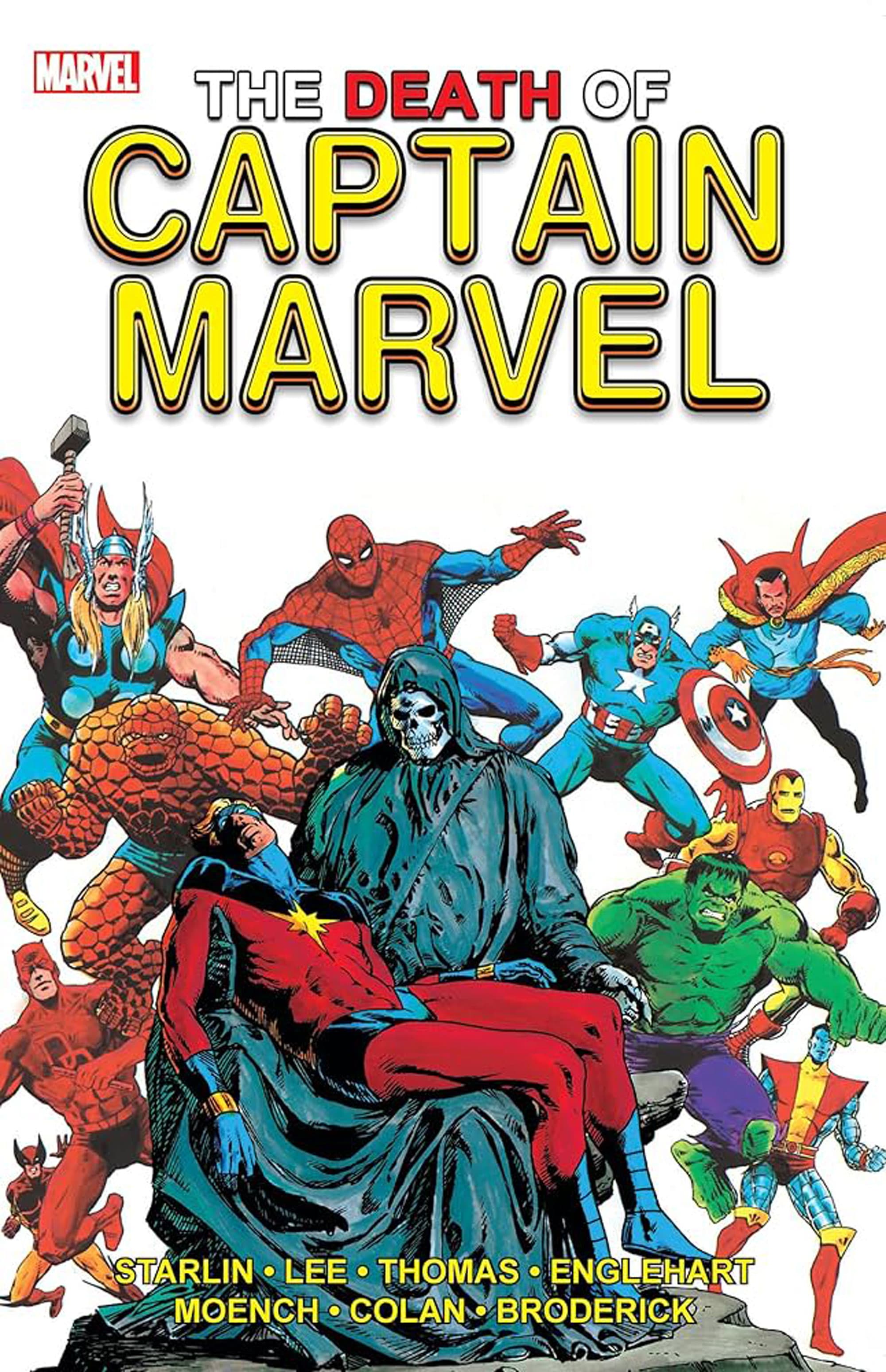
Not only a creative force, Shooter changed up the way Marvel did business and expanded its publishing formats beyond strictly sticking to the industry-standard monthly issues. This included putting out a line of original graphic novel stories, in addition to the usual publishing practice of simply compiling previously published issues. Among the best-selling from this line were the seminal X-MEN: GOD LOVES, MAN KILLS by Chris Claremont and Brent Anderson and THE DEATH OF CAPTAIN MARVEL by Jim Starlin.
This expansion of business practices extended to Shooter being an early supporter of the direct market. Shooter went on to launch a creator-owned imprint at Marvel, Epic Comics, setting the template for other publishers going forward. Through it all, Shooter also set up initiatives to support creators beyond the usual compensation packages, significantly improving their quality of life.
“When I first turned in my plot for THE DEATH OF CAPTAIN MARVEL, it’s my understanding that his assistant editors universally wanted to reject it,” writer and artist Jim Starlin recalls. “Jim ignored them and green-lighted the project. He also greatly supported the legendary editor Archie Goodwin in starting Epic Illustrated Magazine and later the Epic Comic line, both outlets for creator-owned projects. If it weren’t for Jim and Archie there would never have been a Dreadstar. And if there hadn’t been a successful line like Epic, there’s no telling where creator-owned projects might be currently. He also green-lighted the Heroes for Hope Comic that raised a substantial amount of money to fight the famine taking place in Ethiopia back in 1985.”
“The comics industry has benefitted from many reforms instituted by Jim Shooter,” says Marvel writer and editor Christopher Priest. “At Marvel, he was the teacher, the drill sergeant, the Yoda, the vortex, the target of creative criticism and praise. But he was also the guy you ran to, door closed, when you were in trouble. Shooter routinely went out of his way to invest in and be a friend to the Marvel family, this writer included.”
Scores of comic book creators began their careers under Shooter, like writer and editor Mark Gruenwald, Christopher Priest, and future Marvel editor in chief Bob Harras. Not only did Shooter encourage his writers and editors to take creative chances, but he also encouraged artists to move away from mainstream trends, with fan-favorite figures like Bill Sienkiewicz, Marc Silvestri, and Todd McFarlane revolutionizing the visual possibilities of the medium. Shooter had an eye for talent and fiercely defended the storytellers and story ideas that he believed in.
"We lost a giant in the comics industry... literally and figuratively!" says artist and editor Al Milgrom. "Jim Shooter was so talented that he began working for DC Comics at the tender age of 14. Even at that age he was doing thumbnails to accompany his scripts, suggesting the storytelling for the old pros drawing Superman and the Legion of Superheroes at the time. Eventually he was hired by Marvel to be the next in a long line of Editors in Chief. It was a difficult, often thankless, job — and Jim was tasked with righting the foundering ship plagued by lateness, missed deadlines, and prodigious fines. He responded by hiring an outstanding group of editors, realizing he could not succeed as a solo entity, which had been the company blueprint since the days of Stan Lee. He succeeded in getting things running smoothly again. Along the way he fought for incentive payments, art returns, and creator participation in ownership of characters they created. In these respects, he was certainly a champion of the freelancer."
Shooter’s impact extended far beyond the comic book industry, and his legacy endures decades after his tenure leading Marvel editorial. Whether inspiring creative decisions that have steered Marvel’s biggest characters and stories, or recruiting and fostering talent that have shaped the medium as we know it today, Shooter truly deserved the title of visionary. A consummate storyteller and driven leader, Jim Shooter defined Marvel for years, and he will be missed.
“The modern comic book industry would not be the same without Jim Shooter’s contributions as a writer, editor, and editor in chief,” says current Marvel editor in chief C.B. Cebulski. “He left an indelible mark on our business, both creatively and culturally, and I am where I am today thanks to how he brought Marvel to prominence in the ’80s. I met Jim for the first time when I was 13 years old and last saw him in the summer of 2022. I’m glad I got to tell him how much his work meant to me, and how it was an honor to be following in his footsteps. Rest in Peace, Jim.”
The Daily Bugle
Can’t-miss news and updates from across the Marvel Universe!