Super Heroes Who Revealed Their Secret Identities in Marvel Comics
Some heroes in the Marvel Universe opted out of leading a double life. Find out who unmasked themselves and why!
Everybody has secrets. In the Marvel Universe, heroes like Spider-Man and Daredevil spent years trying to maintain secret identities that separated their personal lives from their costumed adventures. Even though aliases can help heroes protect their loved ones or maintain successful careers, some of the Marvel Universe’s crime-fighters made the decision to take off their masks for the whole world to see. Whether compelled by morals or circumstance, these heroes completely rewrote their relationship to saving the day by revealing their secret identities.
Now, let’s take a closer look at some of those heroes who chose to share their secret identities to the public. We’ll break down why they made their aliases known and also, in some instances, how they made the world forget who lies behind the mask.
IRON MAN
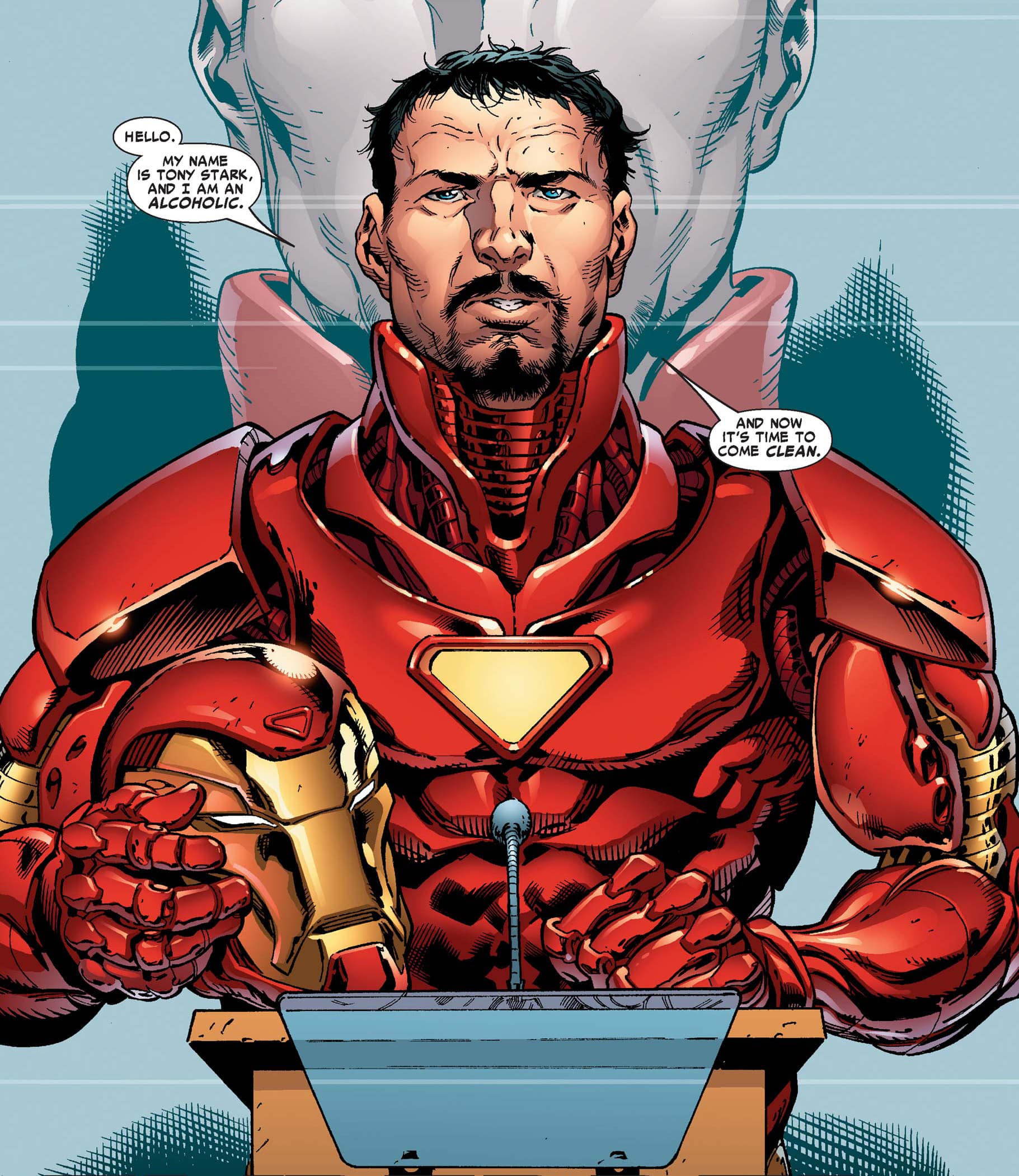
The wider Marvel Universe knew Iron Man and Tony Stark to be close associates long before their true connection was revealed. Shortly after Tony built his first armor out of scraps, he introduced this initial suit to the world as his latest invention, the “human machine.” But when Tony began secretly operating as Iron Man, he claimed the new hero to be a close friend, and then later, his personal bodyguard. This cover story lasted for years until a battle left Tony missing for a few weeks. Tony revealed his secret identity for the first time in Iron Man (1998) #55 by Mike Grell when he jumped into action as Iron Man to save a child’s puppy from an oncoming car in the middle of a press conference.
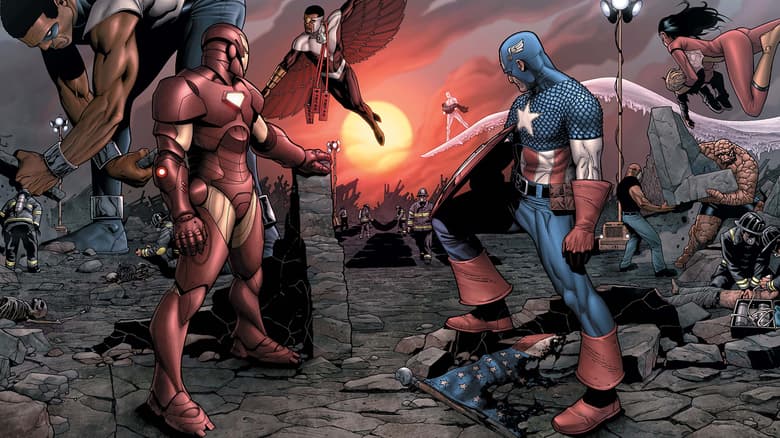
For a while though, Tony briefly restored his secret identity. But when the Superhuman Registration Act came to pass, Tony unmasked himself once and for all in support of the new legislation in Civil War: Front Line (2006) #1 by Paul Jenkins and Ramon Bachs. Iron Man’s identity has remained public knowledge since.
CAPTAIN AMERICA
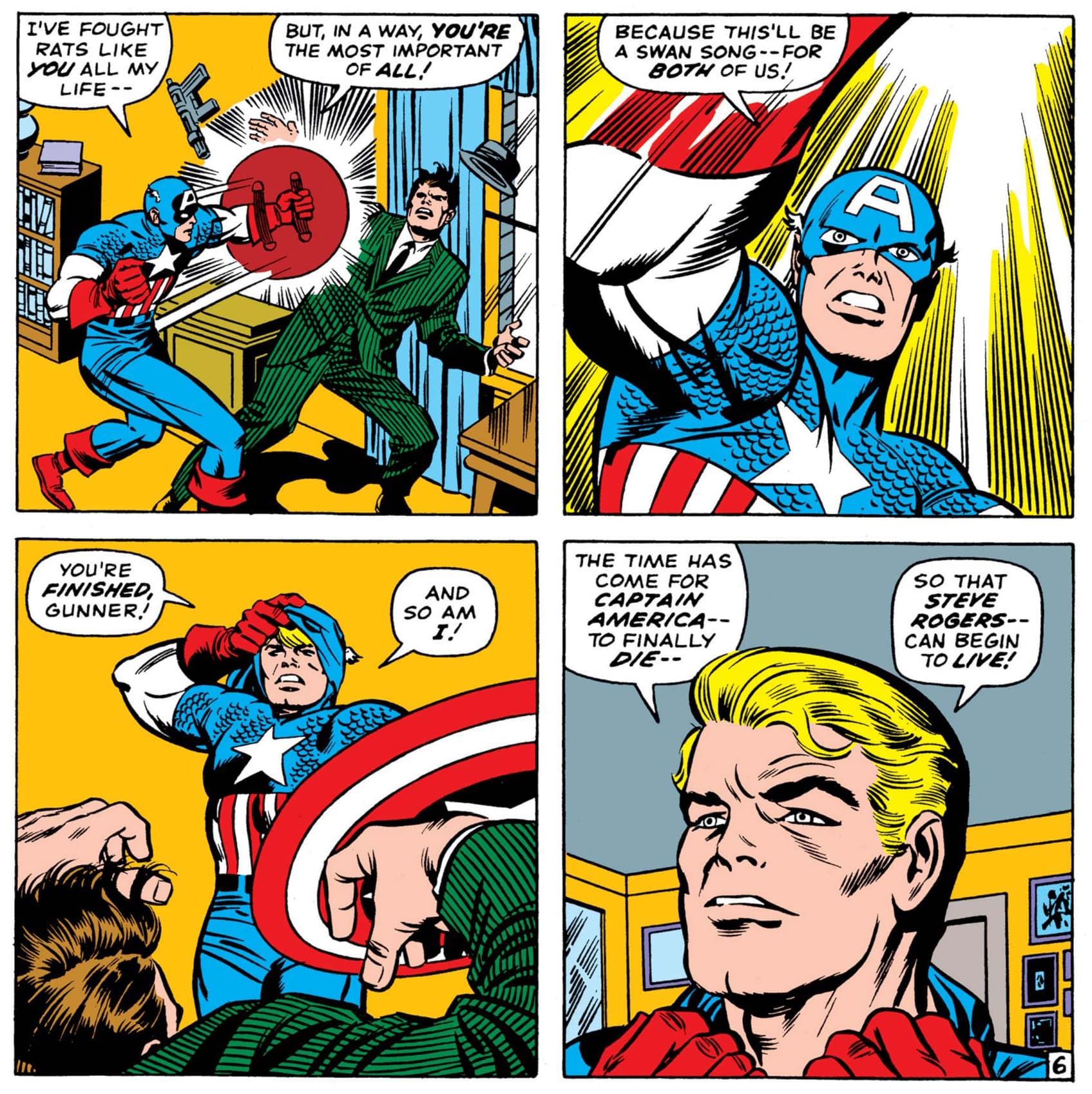
When Captain America went missing near the end of World War II, his identity was still a secret. But shortly after he began operating in the modern Marvel Universe, Captain America revealed himself as Steve Rogers in Tales of Suspense (1959) #95 by Stan Lee and Jack Kirby. He announced his retirement as Captain America and unmasked himself to marry Sharon Carter. However, by faking Steve’s death, Captain America partially restored his secret identity. The villainous Space Phantom also later used a machine that wiped all knowledge of Steve’s double life.
However, Steve decided to reveal his secret identity for good in Captain America (2002) #3 by John Ney Rieber and John Cassaday. After killing an extremist leader on live TV, Captain America wanted to personally take responsibility for his actions. He then proceeded to unmask himself on a live broadcast and disclosed his full biography. Since then, Captain America has openly operated as Steve Rogers.
SPIDER-MAN
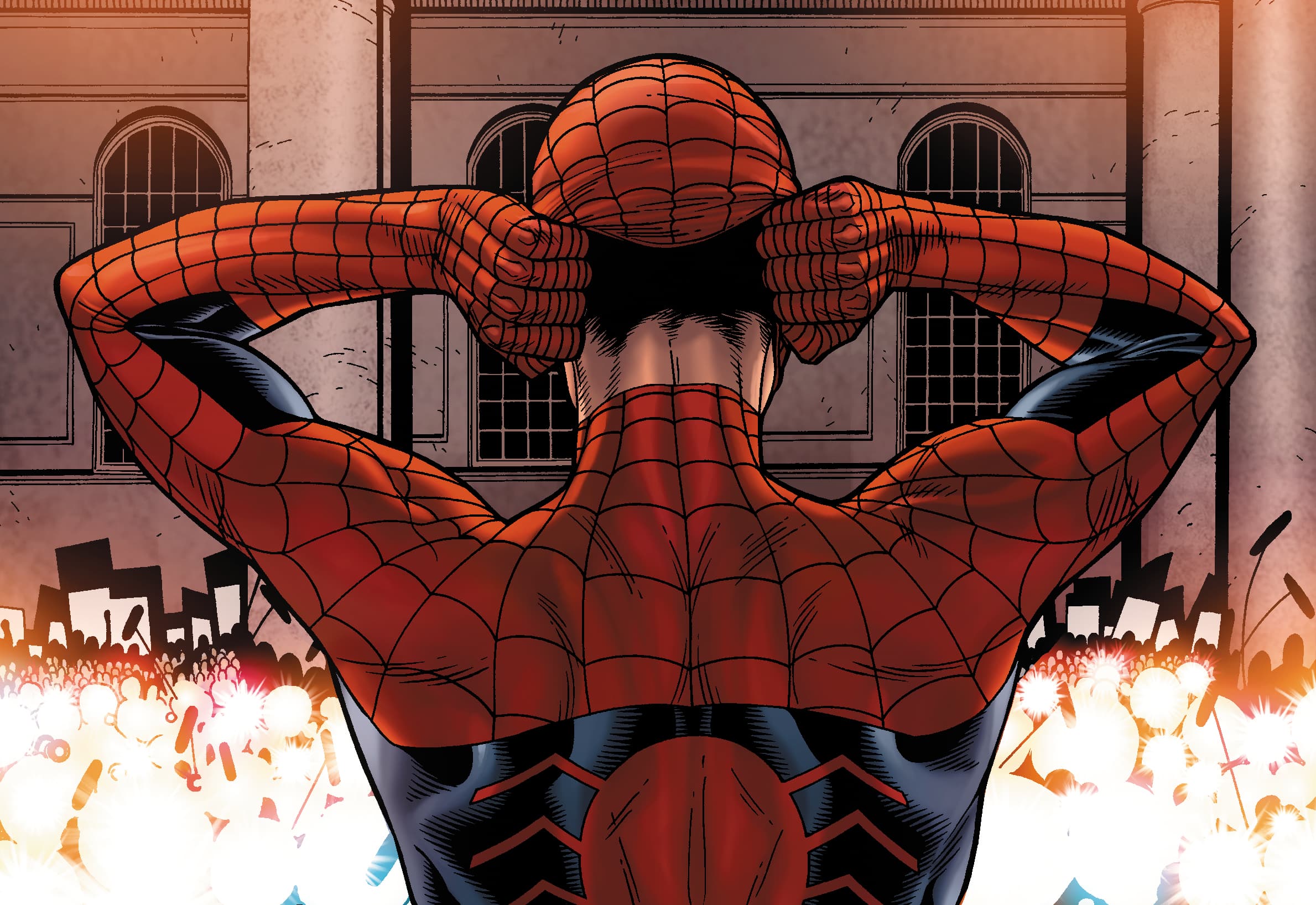
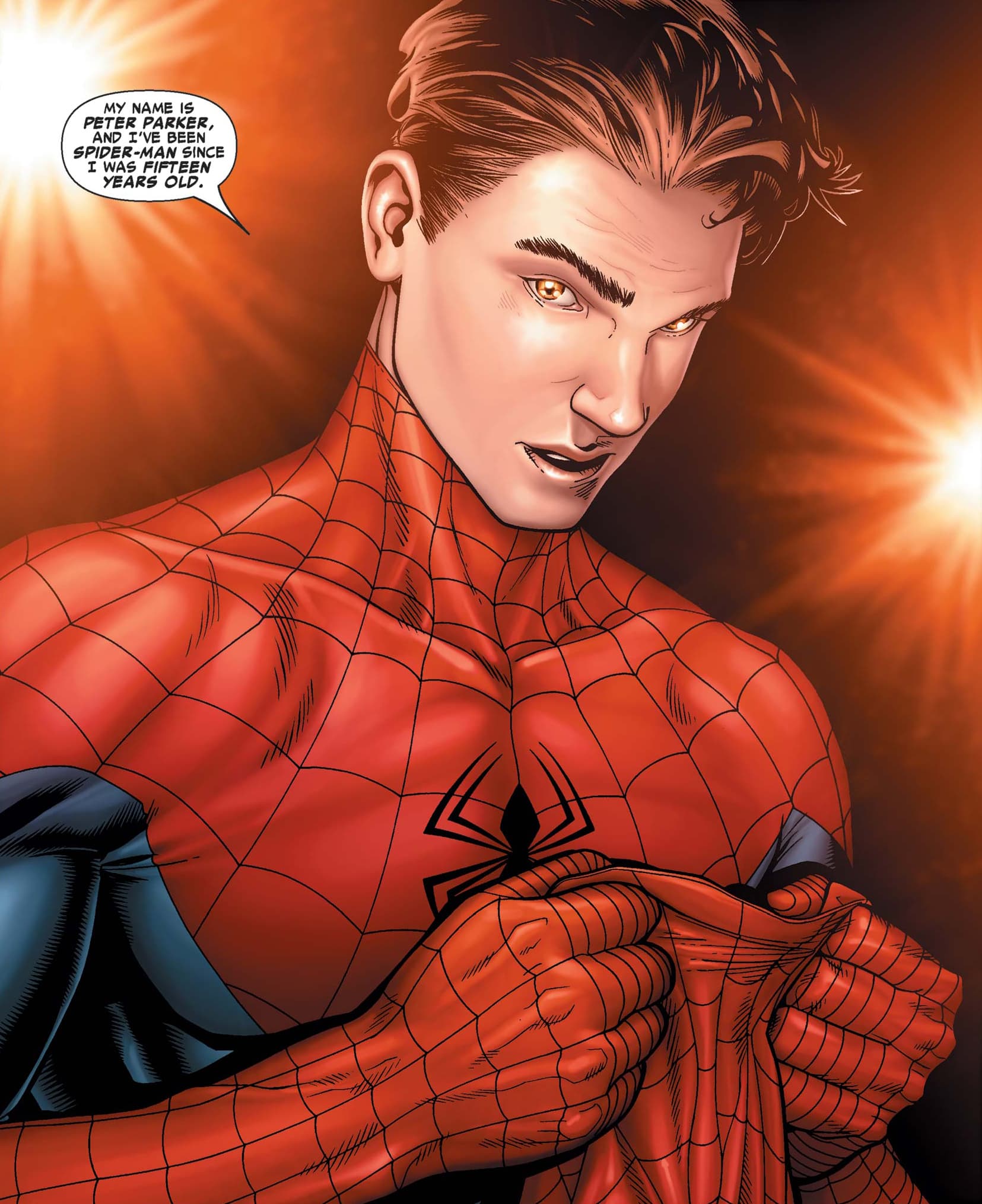
When the heroes of the Marvel Universe went to war over a law that made them register with the government, Spider-Man got caught in the middle. During Spider-Man’s time on the New Avengers, he moved into Avengers Tower with Mary Jane Watson and Aunt May, and found a mentor in Iron Man, who built him the Iron Spider armor. As the Superhuman Registration Act became law with Iron Man as its most vocal defender, Captain America became the leader of the anti-registration movement. Despite some initial hesitation, Spider-Man decided to support his mentor and joined the pro-registration movement by unmasking himself as Peter Parker during a press conference in Civil War (2006) #2 by Mark Millar and Steve McNiven.
As Spider-Man noted in his speech, he went out of his way to keep his identity a secret for many years, and his unmasking divided the people he knew in his civilian life. Peter’s choice to disclose his secret identity did not come without its consequences. When Kingpin put a hit out on the Parker family, one of his snipers shot Aunt May and put her in a coma. To save his Aunt, Spider-Man made a deal with Mephisto that erased public knowledge of his identity.
DAREDEVIL
Daredevil’s secret identity has been revealed to the public on a few separate occasions, a fact that has not always been Matt Murdock's choice. Although a handful reporters and criminals figured out Daredevil’s identity, it was F.B.I. agent Henry Dobbs who sold that information to the Daily Globe, which published it on their front page. Matt subsequently ended up in prison for some of his alleged actions as a masked vigilante. However, Vanessa Fisk partially restored Daredevil’s secret by having a government agent write a note claiming he'd framed Matt — and then killing him.
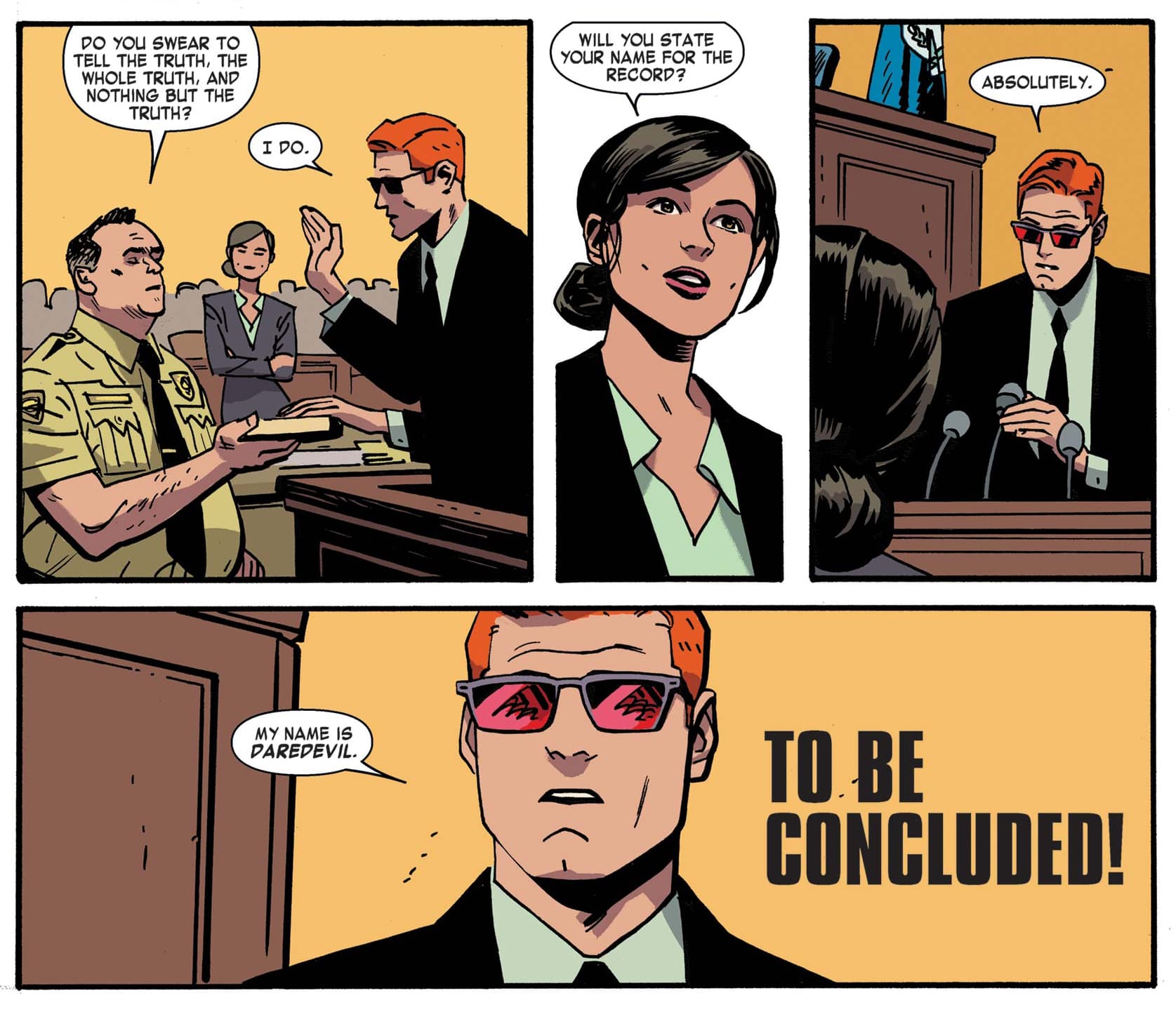
While the charges against Matt Murdock were dropped, people still had their suspicions about his connection to Daredevil. Matt made light of the murmurs, wearing the now-iconic “I’m Not Daredevil” sweater. However, to expose a conspiracy involving the Sons of the Serpent, Daredevil willingly revealed his secret identity during a trial in Daredevil (2011) #35 by Mark Waid and Chris Samnee. Following his unmasking, Matt was disbarred in New York and moved to San Francisco, where he resumed his legal career. Eventually, the mind-controlling offspring of Zebediah Killgrave, the Purple Children, used their powers to erase all public knowledge of Daredevil’s identity.
SHE-HULK
When Jennifer Walters received a life-saving blood transfusion from Bruce Banner, her cousin’s gamma-irradiated blood also gave her the ability to transform into a Hulk. But despite the Hulk’s infamy as a more aggressive and rampaging anti-hero, Jennifer actually became her best self as She-Hulk. Jennifer initially tried to keep her identity secret, even allowing the world to think that her human alter-ego had been killed for a time. However, as she developed greater control over her transformations, Jennifer decided to openly live as She-Hulk. As She-Hulk, she joined the Avengers and Fantastic Four, resumed her legal career, and participated in several highly publicized cases, including one where she argued before the U.S. Supreme Court.
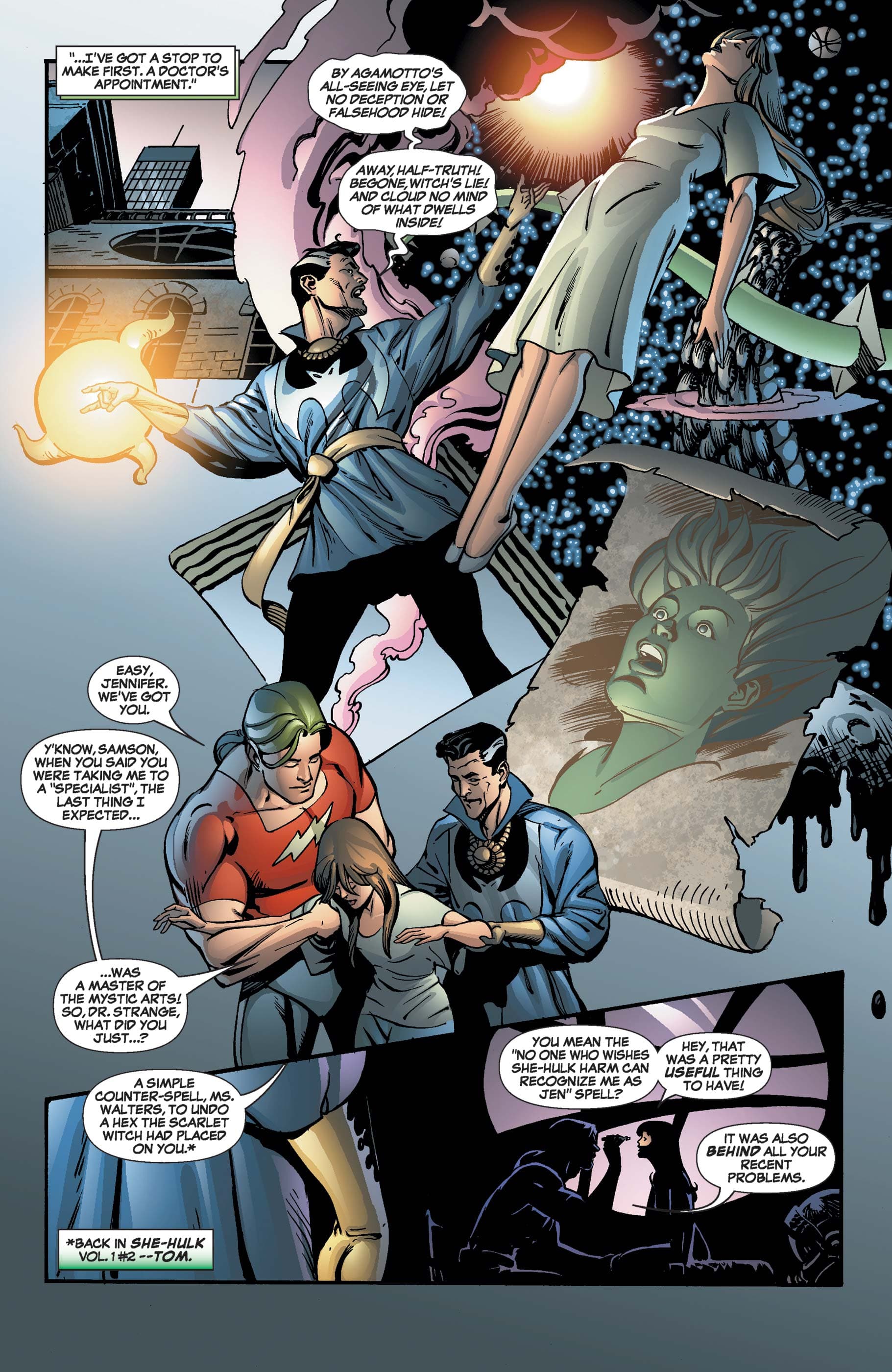
However, Jennifer's rising status in the public eye widened the target on her back. When She-Hulk started working for a new law firm in her human form, she asked the Scarlet Witch to cast a spell that would hide her identity from anyone who wished her harm. And while that spell provided protection to Jennifer Walters, it interfered with She-Hulk’s ability to transform. Jennifer then consulted Doctor Strange, who removed the spell in She-Hulk (2005) #8 by Dan Slott and Paul Smith. The mystical procedure effectively restored She-Hulk’s public identity, making her known to her foes once more.
PROFESSOR X
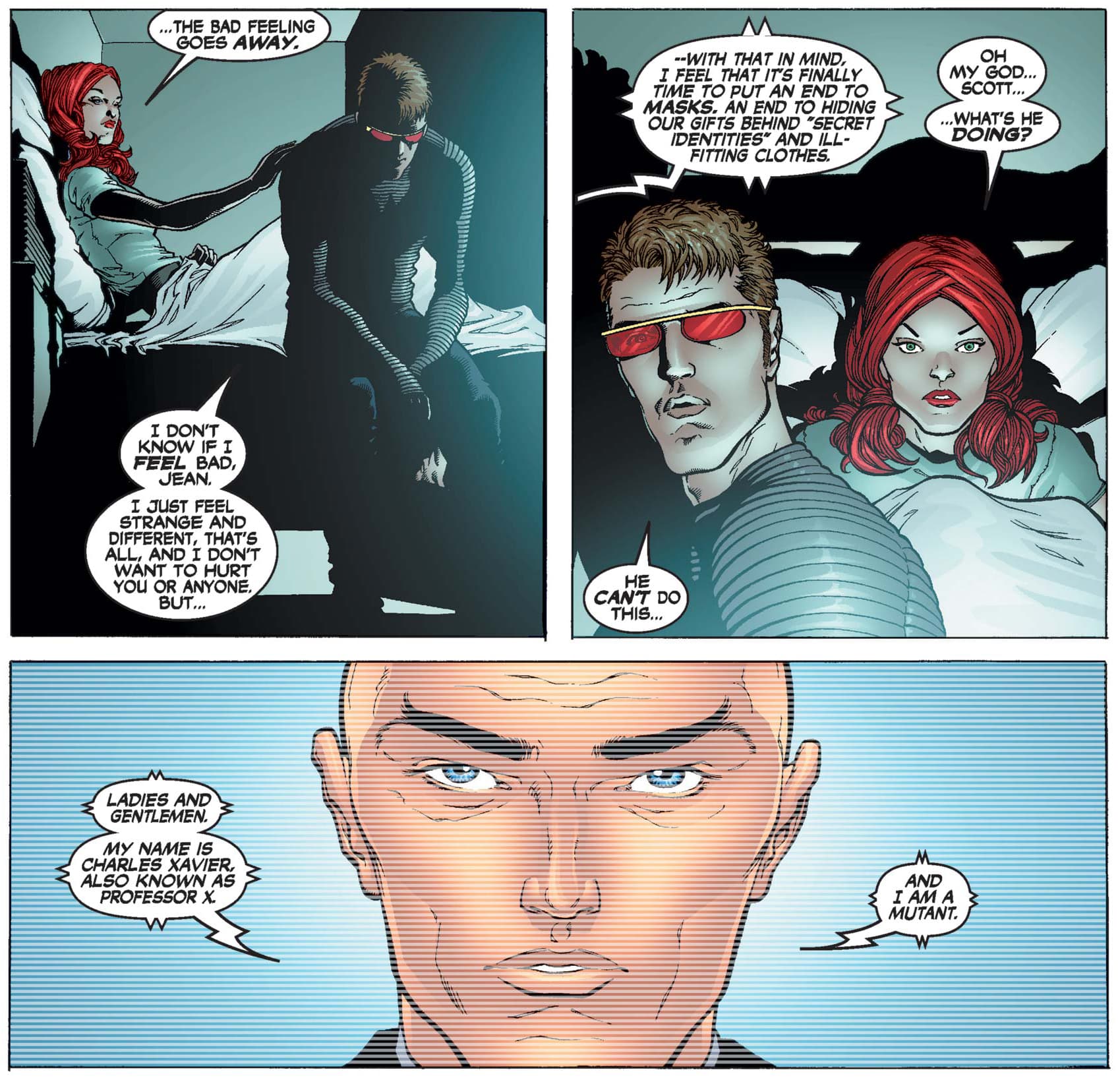
Charles Xavier has long been one of the world’s leading mutant advocates and experts. However, despite Charles’ public connection to the Xavier School for Gifted Youngsters, there was a time when his mutant powers and involvement with the X-Men were kept secret. Cassandra Nova, an evil psychic spirit that took the form of Xavier’s twin sister, changed that forever. When Cassandra planned to take revenge on Charles for killing her in utero, she wanted to destroy everything he had built. The first step in her plan? Telepathically taking over Charles’ body and revealing on live TV that he was a mutant known as Professor X in New X-Men (2001) #116 by Grant Morrison and Frank Quitely.
With his identity public, Professor X’s school became a flashpoint in the debate around mutants. The school reopened with a massive increase in student enrollment, but it also became a target for protestors and anti-mutant forces. When Charles regained control over his body, he chose not to telepathically erase knowledge of his identity — even though he could. In fact, when he announced the formation of the mutant nation of Krakoa, Professor X telepathically spoke to everyone on Earth and proudly reaffirmed his mutant status.
DAZZLER
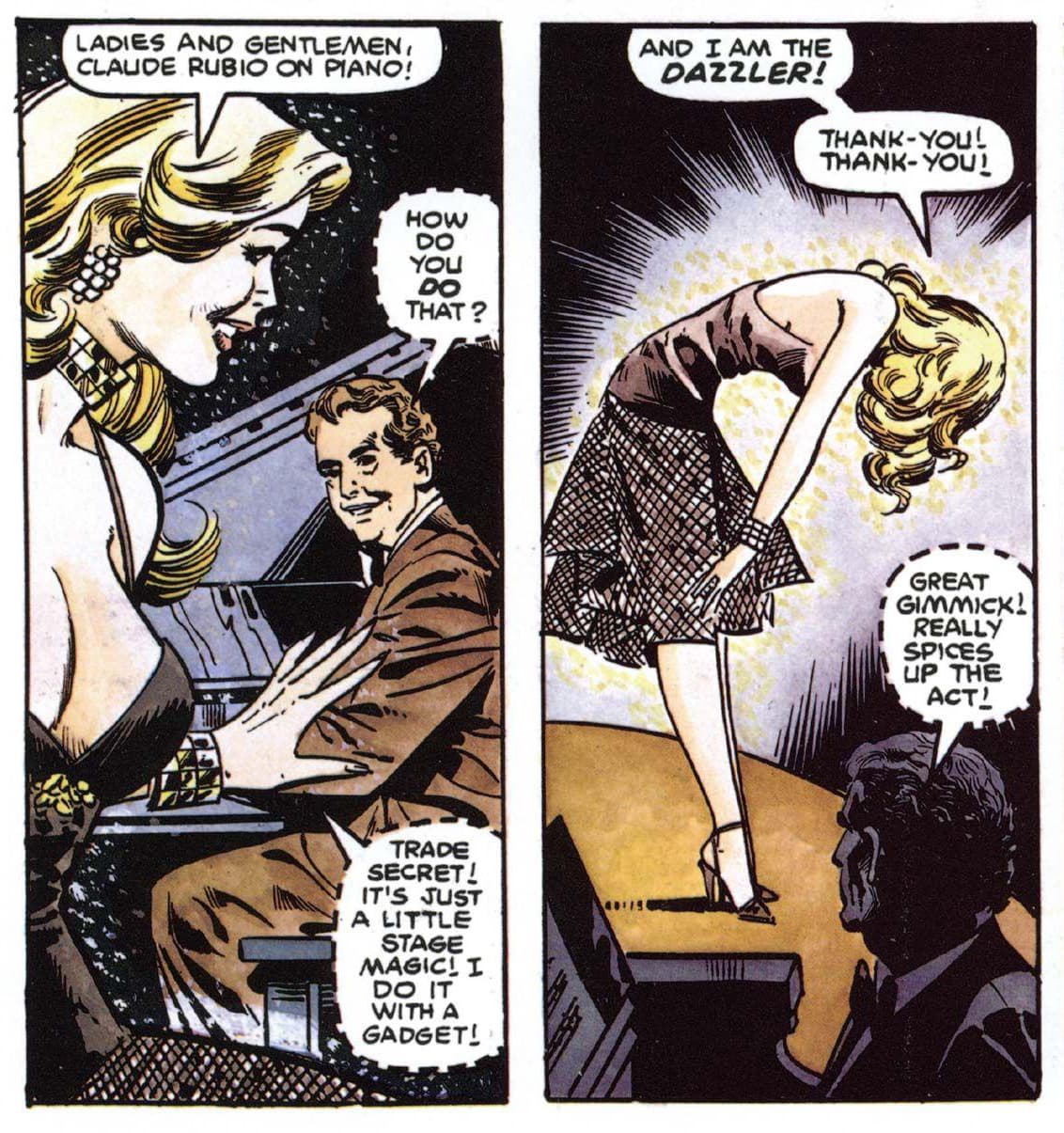
Alison Blaire made a name for herself as Dazzler, a successful musician with a jaw-dropping light show. However, Alison kept the source of her spectacle a secret: as Dazzler, she used her mutant powers to generate light from sound. Even after teaming up with the X-Men, Dazzler only told a few people about her mutant status, including another musician named Roman Nekoboh. While making a movie about her life, Roman convinced Dazzler to reveal her mutant identity as a publicity stunt in Marvel Graphic Novel: Dazzler – The Movie (1984) #1 by Jim Shooter and Frank Springer.
During the announcement, Dazzler tried to create a massive display of light using noise from nearby jet engines. However, the assembled press panicked when they saw her powers. Despite being near the height of her fame, the revelation shocked audiences and almost killed Dazzler’s entertainment career. Dazzler rapidly became tabloid fodder for celebrity gossip and even became the target of mutant-hating mobs. Alison decidedly destroyed the only copy of the movie and stepped away from the spotlight. As Dazzler, she joined the X-Men and spent some time off Earth before staging her comeback as a proud mutant performer.
Want more Super Hero stories? Join Marvel Unlimited for instant access to 30,000+ comics on the Marvel Unlimited app or on the web, with digital issues spanning Marvel Comics classics to ongoing series!
The Daily Bugle
Can’t-miss news and updates from across the Marvel Universe!